Best Casino in Tasmania: Hotels, Dining and Facilities
 Available in US
Table of Contents
- Casino Hotels in Tasmania – What to Expect
- Casino Gym & Gaming Areas – Facilities Overview
- Parking and Accessibility at Tasmanian Casinos
- Accommodation Options Near Tasmanian Casinos
- Contact Details and Customer Service Channels
- Dining, Buffets and Employment Opportunities
- Opening Hours and Seasonal Operations
- Restaurant Choices Inside the Casino
- Spa and Wellness Services at the Casino
- Food Courts and Pool Areas – Quick Guide
Casino Hotels in Tasmania – What to Expect
A casino hotel in Tasmania is a different proposition from a room booked at a motel down the road. The building is designed around one idea: keep guests on site, comfortable, and close to the gaming floor. That shapes everything from room layout to what’s included in the nightly rate, and it’s worth understanding before you compare a casino hotel to any other lodging option nearby.
Room types
Tasmanian casino hotels typically split their inventory into a few tiers. Standard rooms are aimed at guests who want proximity to the floor without paying for extras — a bed, workspace, and view that may face the water or the car park depending on which wing you’re in. Above that sit premium or "view" rooms, usually higher up, with better outlooks over the river or harbour. At the top are suites, which add a separate lounge area, sometimes a larger bathroom with a spa bath, and occasionally direct or faster lift access to the casino floor and restaurants below.
Since Tasmania doesn’t license its own online casinos, you’re really choosing from international operators serving Australian players — so it pays to compare bonuses, payout speeds and minimum deposits before you sign up.
Bonus: up to A$7,500 + 550 free spins across 10 deposits, 50x wagering · Payout speed: crypto under 1 hour, PayID 1-3 business days · Min. deposit: A$20 (A$30 to qualify for the bonus) A sizeable multi-deposit bonus package with 550 free spins spread across ten deposits gives you room to build up your balance gradually, and crypto withdrawals clearing in under an hour stand out for speed.
License: Curacao Gaming Control Board OGL/2023/176/0095 (Hollycorn N.V.) · Bonus: up to A$11,000 + 300 free spins (code NEO100) Licensed under Curacao’s Gaming Control Board, this operator backs up its credentials with one of the larger welcome offers on this list, plus a straightforward bonus code to redeem it.
Bonus: up to A$750 + 50 jackpot spins, 35x wagering · Payout speed: crypto ~90 minutes, fiat 1-5 days · Min. deposit: A$30 A jackpot-spins twist on the usual welcome bonus, with fast crypto payouts around ninety minutes making it a solid pick if quick withdrawals matter to you.
License: Curacao, operated by Dama N.V. · Bonus: 325% up to 5.25 BTC + 250 free spins across 4 deposits Operated by Dama N.V. under a Curacao license, it offers a crypto-friendly welcome bonus spread over four deposits, appealing if you prefer funding your account with Bitcoin.
License: Curacao Gaming Control Board · Bonus: up to A$5,000 + 400 free spins Holding a Curacao Gaming Control Board license, it pairs that regulatory backing with a generous free spins allowance alongside its deposit bonus.
Bonus: 100% up to A$750 + 200 free spins, 35x wagering · Payout speed: crypto 30-120 minutes, fiat 24-72 hours · Min. deposit: A$30 A moderate welcome bonus with comparatively low wagering requirements, plus fast crypto payout windows, makes this a practical choice if you value quick access to winnings.
License: Curacao Gaming Control Board OGL/2023/176/0095 (Hollycorn N.V.) · Bonus: 100% up to A$10,000 + 100 free spins Licensed via the same Hollycorn N.V. framework as other Curacao-regulated sites, it stands out for offering one of the largest deposit bonus ceilings on this list.
License: Curacao – Antillephone N.V. (Versus Odds B.V.) · Bonus: up to EUR 2,000 across 5 deposits + 200 free spins · Min. deposit: EUR 20 Backed by Antillephone N.V. licensing, this operator spreads its bonus across five deposits with a low minimum deposit threshold, suiting players who like to top up gradually.
License: Curacao · Bonus: 100% up to A$500 + 200 free spins, 10x wagering · Payout speed: crypto 30-60 minutes, fiat 1-5 days · Min. deposit: A$10 A low minimum deposit and notably light wagering requirement make this an accessible option, with crypto withdrawals typically processed within an hour.
License: Curacao OGL/2024/1335/0780 · Bonus: up to A$1,000 + 150 free spins, wager-free · Min. deposit: EUR 20 Its wager-free bonus structure is a genuine point of difference, letting you keep winnings without the usual playthrough hurdles, under a current Curacao license.
None of this is exotic by international standards, but the point of staying on site is convenience rather than luxury: you’re paying to not have to drive, park, or walk far after a night at the tables.
What’s typically included
Expect the basics you’d find in any mid-to-upper-tier hotel — daily housekeeping, in-room Wi-Fi, tea and coffee facilities, and television with a house channel that lists shows, dining hours, and promotions happening elsewhere in the complex. Some room tiers bundle in perks like late checkout or complimentary access to facilities that are otherwise separately booked, though the specifics vary by property and by season, so it’s worth confirming what’s included at the time of booking rather than assuming parity across rooms.
Age matters here in a way it doesn’t at a standard hotel: anyone accessing casino offers, loyalty programs, or gaming-floor benefits tied to a hotel stay must be 18 or over, in line with the minimum age that applies across Australian casino venues.
How this differs from other amenities
It’s easy to conflate the hotel with everything else the casino complex offers, but they’re run and booked separately. The hotel is about the room itself — bed, bathroom, view, service. It is not the same as:
- Gym and gaming-area facilities, which are shared amenities available to guests and sometimes to day visitors, not part of the room booking itself.
- Parking, which is a separate logistical question tied to how you arrive and leave, not to where you sleep.
- Off-site accommodation, such as motels or serviced apartments near the casino, which offer a cheaper alternative but without the direct lift-to-floor convenience.
If your priority is walking downstairs to the gaming floor rather than driving there, the on-site hotel is the only option that delivers that. If budget matters more than proximity, nearby accommodation (covered separately) is likely to be the better fit.
Rates and deals
Casino hotel pricing moves with demand — weekends, events, and school holidays push rates up, while midweek stays are usually cheaper. Package deals bundling a room with dining credit or show tickets appear periodically, but availability and inclusions change often enough that checking directly with the property before booking is the only reliable way to know what’s currently on offer.
Winnings from any gaming during your stay are not taxed in Australia, which is worth knowing if you’re weighing up a casino hotel stay against a purely recreational trip elsewhere — the tax treatment of any wins doesn’t change based on where you’re staying or which room tier you booked.
A quick reality check
Independent casino rankings, including the weekly-recalculated formulas used across the industry, weight things like bonus generosity, payout reliability, and customer support responsiveness — none of which have anything to do with room quality or hotel service. A high-scoring casino operator isn’t automatically a better place to sleep, and a well-reviewed hotel wing isn’t a signal about how fair the games are. Treat the two as separate questions, because that’s how the industry actually treats them.
Casino Gym & Gaming Areas – Facilities Overview
The gaming floor is what most people picture when they think of a Tasmanian casino, but the building around it usually does more than hold poker tables. A fitness centre for hotel guests, a sports bar with screens for racing and league fixtures, and a dedicated poker room sit alongside the pokies and table games, each serving a different part of a visit rather than duplicating the others.
Age Requirement
You must be at least 18 years old to enter the gaming floor or access any casino‑related facilities. Under‑age entry is prohibited and can result in removal from the premises.
Fitness facilities
Casino resorts with an attached hotel typically operate a small gym for guests staying on-site, separate from any spa or wellness offering covered elsewhere. These are functional spaces — cardio equipment, weights, sometimes a pool reserved for hotel guests — built for people staying over rather than for day visitors dropping in to play. If fitness access matters to your trip, confirm with the property whether the gym is restricted to hotel guests or open more broadly, since this varies by venue and isn’t standardised across Tasmania’s casinos.
Poker rooms and tournament play
Poker rooms are usually kept apart from the main pokies floor, both physically and in atmosphere — quieter, table-based, and often running scheduled tournament sessions rather than open-ended play. Given that 38% of Australian adults gambled at least once a week in 2022, it’s no surprise dedicated poker rooms have become a fixture rather than an afterthought at larger venues. Tournament formats and schedules differ from casino to casino and change over time, so checking directly with the venue before travelling is the only reliable way to confirm what’s running on a given day.
Table games sit at the centre of the gaming floor, but a poker room’s separate seating and cash-game or tournament structure make it a distinct part of the venue rather than simply "more tables."
Sports bars and viewing areas
Most Tasmanian casino complexes include a sports bar zone with screens for racing and major sporting fixtures, positioned near — but functionally separate from — both the pokies floor and any restaurant venues covered elsewhere in this guide. These areas typically combine casual food and drink service with wagering terminals, giving punters a place to watch an event and place a bet without competing for space with table-game players.
What the numbers say about gaming-floor demand
Per-capita gambling bets in Australia reached AUD 9,885 in the 2020–21 financial year, with an average loss of AUD 1,200 over the same period. That level of spend explains why venues invest in dedicated poker rooms and sports betting lounges rather than treating the gaming floor as a single undifferentiated space — different games attract different habits, and splitting the floor accordingly is standard practice.
A note on what’s actually on offer
Everything described above concerns physical, on-site gaming areas at licensed land-based casinos in Tasmania — poker rooms, pokies floors, sports bars. It’s worth being direct about what this doesn’t include: online casino games such as slots, blackjack or roulette cannot legally be offered to Australian residents. The relevant legislation is cited inconsistently even in official sources — some reference the Interactive Gambling Act 1997, others the Interactive Gambling Act 2001 — but the substance is the same either way, and it applies to operators, not to individual players. It is not illegal for an Australian to play at an offshore-licensed online casino; the restriction sits with the businesses offering the games, not the person placing the bet. Reviewers assessing offshore platforms for other parts of this site deposit at least A$300 at each one and test withdrawals directly, which is a separate exercise entirely from anything happening on a Tasmanian casino floor.
Anyone planning a visit around a specific poker tournament, gym access, or sports bar screening should treat venue websites and phone confirmation as the primary source — floor layouts, tournament calendars and facility access all shift more often than general guides can track in real time.
Parking and Accessibility at Tasmanian Casinos
Getting to a casino on the island is rarely the hard part. What matters more is what happens in the last few minutes before you walk through the door: where you leave the car, whether someone can drop you off without circling the block, and how you get back if you’d rather not drive at all.
On-site parking
Tasmanian casino complexes are generally built with their own car parks rather than relying on street parking, which matters given how compact towns like Hobart and Launceston are. A dedicated on-site car park removes the guesswork that comes with metered street bays, especially on weekend evenings when nearby streets fill up with restaurant and event traffic unrelated to the casino itself.
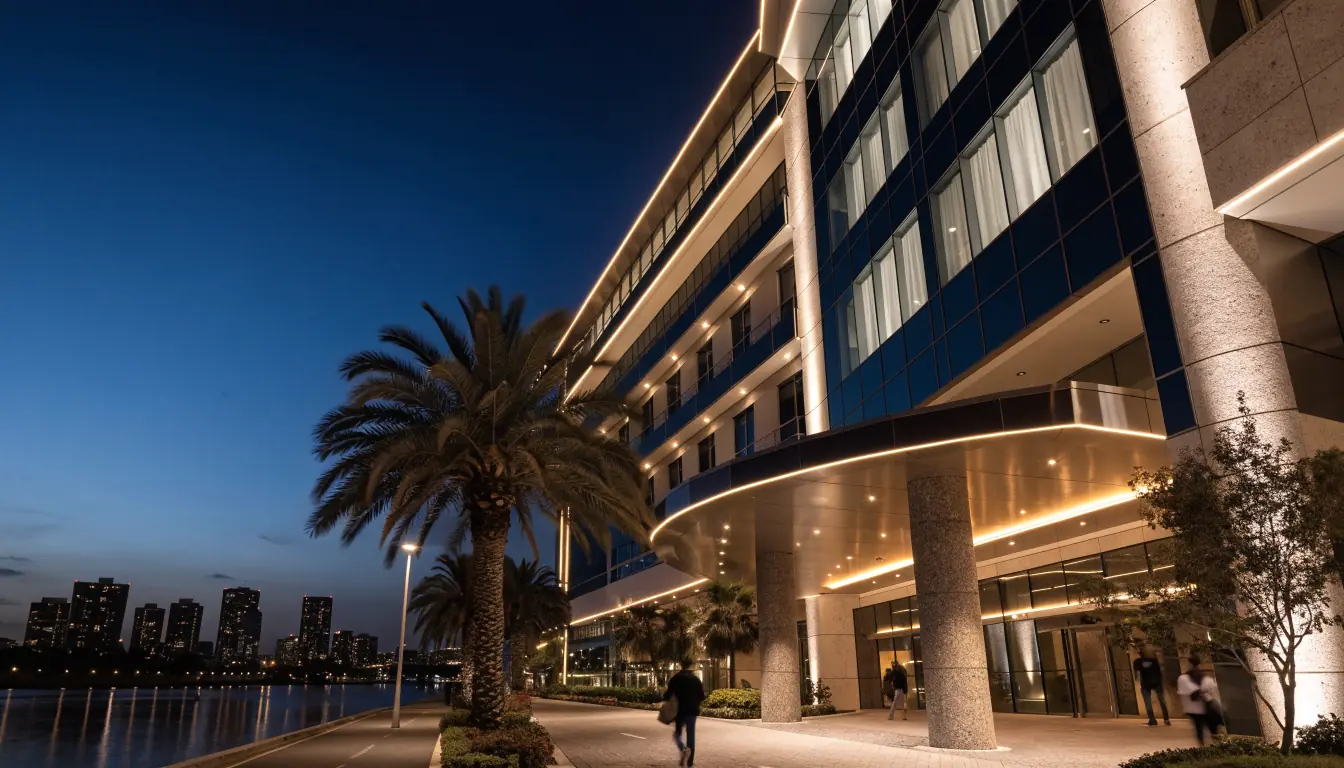
Free parking is the norm at most venues of this kind, though allocation isn’t unlimited — arriving during a known busy period (a Friday night, a public holiday, a scheduled show) means less chance of a spot close to the entrance and more walking from the outer rows. If the casino sits within a larger hotel and entertainment complex, parking is usually shared across all of it, so the car park population includes guests who aren’t there for the gaming floor at all.
Valet options
Where a valet service exists, it’s aimed at guests staying at the attached hotel or attending a ticketed function, not casual visitors popping in for an hour on the pokies. Valet parking removes the need to navigate the car park altogether, which is worth considering if you’re arriving after dark or don’t know the site layout. It typically comes with its own drop-off point at the main entrance, separate from the general car park access road.
Drop-off zones
Even without using valet, most properties have a marked drop-off area near the main doors for taxis, rideshare pickups, and anyone being dropped by a friend or family member. These zones are usually short-stay by design — fine for unloading and a quick goodbye, not for parking while you go inside.
Getting there without a car
Public transport links vary more than parking does. Hobart’s casino precinct is reachable by local bus services running into the city centre, though timetables thin out later in the evening, which is worth checking before you plan a late return. Rideshare and taxi pickup tends to be the more reliable option outside daytime hours, and the marked drop-off zones exist partly because of how much of this traffic a casino generates on a typical night.
Accessibility
Accessible parking bays are positioned close to main entrances at these complexes, in line with what you’d expect from any large public venue, with step-free access into the gaming floor and connected hotel areas. If mobility access is a specific concern, it’s worth confirming directly with the venue rather than assuming a layout, since accessible routes can differ depending on which entrance you use.
Legal Restriction
Online casino games (slots, poker, blackjack, roulette) are illegal for Australian operators to offer to residents under the Interactive Gambling Act 2001. Attempting to play on unlicensed offshore sites carries legal and financial risk.
A word on who’s driving
Gambling participation in Australia skews younger than many assume — nearly half of 18–19 year-olds and around 30% of 12–17 year-olds report having gambled in some form, figures that sit oddly against the image of the casino car park as a strictly adult space. It’s a reminder that access controls at the door matter as much as the parking arrangements leading up to it; only those 18 and over should be entering the gaming areas at all, regardless of how they arrived.
None of this — car parks, valet, drop-off zones — has anything to do with where you might stay overnight. That’s a separate question, covered next.
Accommodation Options Near Tasmanian Casinos
Not everyone visiting a Tasmanian casino stays in the on-site hotel, and not everyone wants to. The surrounding area — whether that’s Hobart or Launceston — has its own accommodation market entirely separate from the casino’s own rooms, and it’s worth knowing the difference before you book.
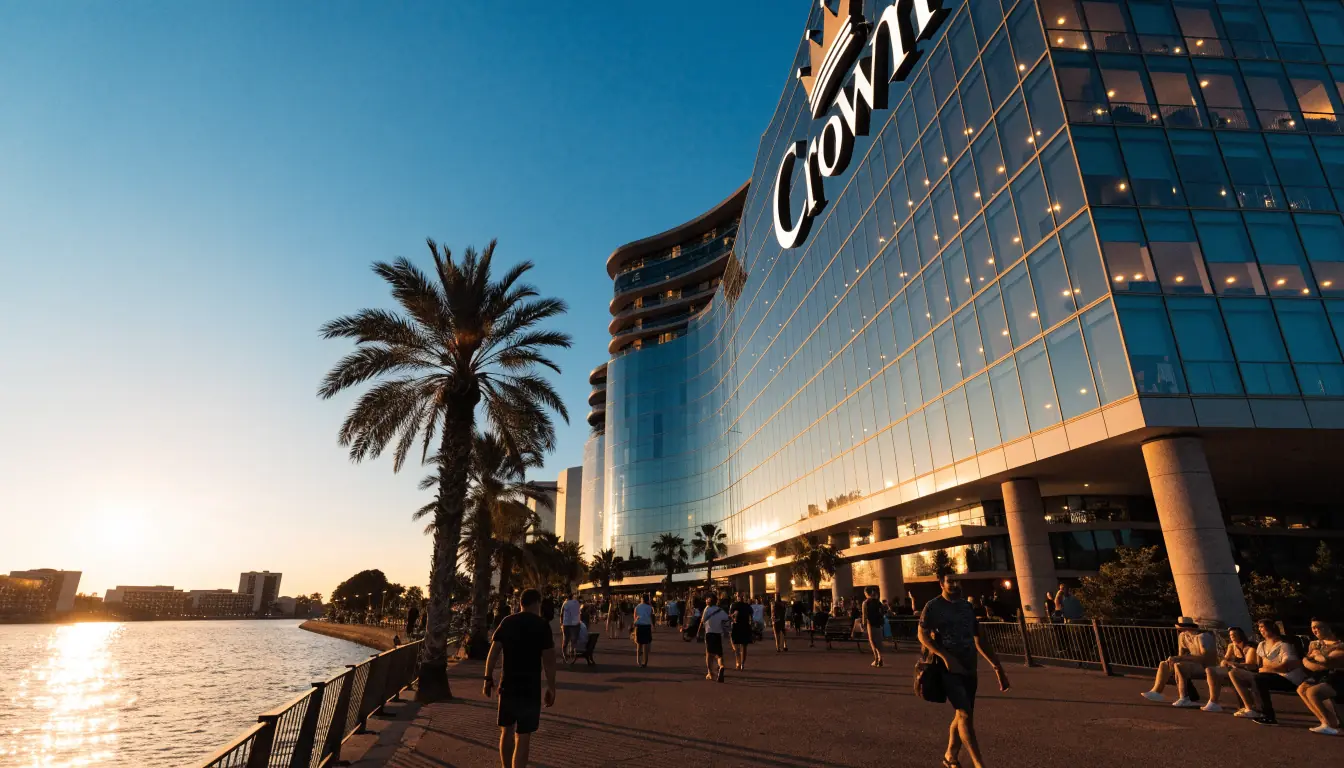
How off-site lodging differs from the casino hotel
The casino’s own hotel rooms are covered elsewhere in this guide, but the short version is that they’re managed by the venue itself, priced as part of the resort package, and usually the most convenient option if gaming floor access is your priority. Off-site accommodation is a different arrangement altogether: independently owned and operated, priced by the market rather than the casino, and often chosen for reasons that have nothing to do with the gaming floor — a quieter night’s sleep, a view, a lower rate, or simply a preference for staying somewhere that isn’t attached to a casino at all.
What’s available nearby
Within reasonable distance of Tasmania’s casino complexes, you’ll typically find:
- Hotels — mid-range and upscale options, often with harbour or city views depending on location.
- Motels — more budget-conscious, usually with on-site parking included in the room rate.
- Serviced apartments — self-contained units suited to longer stays or travellers who want a kitchen.
- Bed and breakfasts — smaller, independently run properties, common in and around Hobart’s older neighbourhoods.
None of these are affiliated with the casino, so amenities, check-in processes and cancellation policies vary property to property. If you book off-site, confirm directly with that property rather than assuming casino policies apply.
Booking considerations
A few practical points worth weighing before choosing off-site accommodation over the casino’s own hotel:
- Distance to the gaming floor. Off-site properties mean a walk, a taxi, or a drive, whereas the casino hotel puts you steps away.
- Rate transparency. Independent hotels and motels set their own pricing and their own deals; these aren’t casino promotions and won’t come with any casino-branded perks.
- Parking arrangements. Some off-site properties include free parking, others don’t — check before you arrive, since this is separate from whatever parking the casino itself provides.
- Peak periods. Availability tightens around major events and holiday periods, the same as anywhere else in Tasmania’s tourism market.
A note on where the money goes
It’s worth remembering that the accommodation and hospitality side of a casino complex sits within a much larger picture. Gambling revenue accounted for 7.7% of state and territory taxation revenue in 2015–16, a reminder that these venues are woven into public finances well beyond room bookings and gaming tables. That’s a separate conversation from choosing a bed for the night, but it’s context worth having.
What this section isn’t about
This is about physical lodging near a bricks-and-mortar casino — not online play. Online sports betting is legal in Australia under state and territory licences, but online casino games, poker, and in-play betting are prohibited federally under the Interactive Gambling Act 2001, and no domestically licensed real-money online casino operators exist for Australian players. Nothing about booking a hotel room near a Tasmanian casino changes that; the two are entirely unrelated markets, and no accommodation deal substitutes for, or connects to, online play.
If your priority is proximity to the gaming floor, the casino’s own hotel — detailed in the previous section — remains the most direct option. If it’s flexibility on price or location, the surrounding hotels, motels and apartments give you room to compare.
Contact Details and Customer Service Channels
Reaching a physical casino in Tasmania is straightforward on paper: a switchboard number, a general enquiries email, and a front-desk that handles everything from table reservations to lost property. What’s worth clarifying up front is what these contact channels can and cannot do, because that distinction matters more than the phone number itself.
A Tasmanian casino’s customer service desk deals with the venue you can walk into — its gaming floor, its bars, its box office for concerts. If you’re calling to check whether a table is free, confirm a booking, or ask about an upcoming show, that’s exactly the kind of query these channels are built for. Staff can also point you toward practical details like where the car park entrance is or which bar is open late, though the specifics of parking and dining are covered elsewhere on this page rather than repeated here.
What these channels won’t do
None of this extends to online play. There is no licence in Australia that permits an operator to run real-money online casino games for Australian residents, and no domestic pathway exists to obtain one. So a Tasmanian casino’s contact line is not a gateway to an online account, a digital baccarat table, or an app version of its craps pit — because no such legal offering exists to ask about. If a call centre, email, or live chat ever implies otherwise, that’s a red flag rather than a convenience.
Live betting by phone occupies a narrower, legal space: phone wagering on sports and racing through a licensed bookmaker is permitted, distinct from in-play online betting, which is not. Casino reception staff, however, are not positioned to arrange this — that’s a separate licensed betting relationship, not a casino floor service.
Contact details listed on the venue’s official website are the only reliable source for up‑to‑date opening hours, parking policies, and special event schedules.
Who actually regulates what you’re contacting
Australia doesn’t run gambling oversight through one body. Responsibility is split between state and territory regulators and federal law. Federally, the Australian Communications and Media Authority (ACMA) enforces the Interactive Gambling Act 2001, which is the law making it illegal to offer online casino games — including anything resembling baccarat or craps — to people in Australia. Separately, the Northern Territory Racing Commission functions as the de facto authority for most national online bookmakers, largely because of the lower tax rate it offers operators, even though its formal remit is the Northern Territory.
None of these bodies are who you’d call about a table reservation or a concert ticket at a Tasmanian casino — they regulate licensing and compliance, not day-to-day customer service. If a dispute arises that the venue’s own customer service can’t resolve, it’s these regulatory layers, not a single national ombudsman, that ultimately have jurisdiction, and which one applies depends on what’s actually being disputed.
Practical contact routes
For general enquiries — reservations, event information, or questions about the gaming floor — the standard routes are:
- Phone — direct line to the venue’s switchboard or gaming floor desk.
- Email — for non-urgent enquiries, bookings, or written confirmations.
- Live chat — where offered, typically for quick questions rather than transactional requests.
- In-person enquiry desk — the most reliable option for anything requiring identification or same-day resolution.
Keep expectations tied to what the venue actually operates: a physical casino floor, its bars, and its entertainment schedule — not an online gambling product, which no Tasmanian casino, or any Australian operator, is licensed to provide.
Dining, Buffets and Employment Opportunities
A land-based casino resort in Tasmania is as much a food operation as a gaming one, and the two run on separate schedules. Breakfast service typically opens early to cover both overnight guests and day visitors heading in for a morning session, with a buffet format covering hot and cold options rather than a fixed menu. Buffet breakfast is usually priced as a standalone item or bundled into a room rate, and it’s worth checking which applies before you sit down, since the two options are billed differently.
All-day dining venues fill the gap between the formal breakfast service and dinner reservations at the resort’s sit-down restaurants, which are covered separately elsewhere on this page. These venues tend to run continuously through the afternoon, offering a shorter menu than the specialty restaurants but longer opening windows, which suits anyone moving between the gaming floor and a meal without planning around fixed sitting times. Expect this tier of dining to be the most casual on-site, positioned closer to a café than a restaurant, and generally the fastest option if you’re not looking to commit to a full sitting.
None of this — the buffet, the all-day counters, or the specialty restaurants next door — extends to online casino gaming. Tasmania’s physical resorts operate under state gaming licences that cover the premises itself; they have no bearing on what’s legal to offer online. Under the Interactive Gambling Act 2001, the Commonwealth law governing online gambling in Australia, online casino-style games including slots, poker, blackjack and roulette are prohibited outright, regardless of who owns or operates a physical casino. A resort’s dining and hospitality operation and its gaming floor are licensed separately, and neither licence has any relationship to an online offering — because no lawful one exists.
Employment at the casino
Tasmanian casino resorts function as large hospitality employers, and the roles on offer generally split into a few recognisable categories:
- Gaming floor staff — dealers, pokies attendants and gaming supervisors working directly on the casino floor.
- Food and beverage — kitchen staff, buffet attendants, bar staff and wait staff across the various dining venues.
- Hotel and guest services — front desk, concierge and housekeeping roles tied to the accommodation side of the resort (detailed in the hotel section of this page).
- Back-of-house and administration — finance, marketing, security and compliance roles, including positions tied to responsible-gambling obligations.
Vacancies are usually listed on the resort’s own careers page rather than general job boards, and turnover in food and beverage roles tends to be higher than in gaming or administrative positions given the shift-based nature of hospitality work. Anyone applying to a gaming-floor role should expect background checks as standard, given the licensing obligations casinos carry around staff working directly with cash and patrons.
It’s worth being clear-eyed about what a "casino job" in Tasmania actually means: it’s employment at a licensed, physical premises regulated at the state level, with none of the ambiguity that surrounds online gambling employment elsewhere. That distinction matters more in Australia than in most markets, given how firmly federal law separates what’s permitted on a casino floor from what’s permitted on a screen.
Opening Hours and Seasonal Operations
Anyone searching for whether a Tasmanian casino has reopened, changed its hours, or paused operations for a holiday period runs into the same problem: this kind of scheduling detail sits with the venue itself, not with any national database. There is no central register that tracks opening times or seasonal closures for land-based casinos across Australia, and Casino Jackpots Guide does not maintain one either. What this section can offer instead is a straight account of what is knowable and how the rankings here relate to it.
The ranking work behind this page is a separate exercise from tracking floor hours. Every casino listing is scored on four measurable points — bonus transparency, cashout speed, customer care, and licensing integrity — and the formula behind the ranking weights bonus generosity most heavily, followed by payout reliability, game library breadth, customer support responsiveness, and user-submitted feedback. None of that scoring touches physical opening hours, staffing rosters, or holiday closures, because those are operational matters set and changed by the venue, sometimes with little notice around public holidays or events.
Why this page doesn’t publish a timetable
Publishing a fixed set of daily hours here would go stale within weeks and mislead anyone relying on it to plan a visit. Seasonal operations — reduced hours around Christmas, adjusted schedules during major race or entertainment events, temporary closures for maintenance — are decisions made at the property level and communicated through the venue’s own channels, not through third-party review sites. If a page claims to know these details without citing the operator directly, treat that claim with some scepticism.
What reviewers actually verify
The testing behind these rankings focuses on what can be checked consistently, regardless of when a casino’s doors are open. Reviewers deposit at least A$300 at each casino and test withdrawals as part of that process, which tells you something concrete about cashout speed and reliability — but it says nothing about whether the venue’s restaurant wing closes early on a Tuesday or whether a public holiday shortens gaming-floor hours. Those are two different kinds of information, and conflating them does readers no favours.
What to check before visiting
- Confirm current opening times directly with the venue, since these can shift around public and school holidays.
- Ask about event-specific scheduling if visiting around a major race day or festival, as gaming areas may run altered hours.
- Note that any offer tied to a visit — including a welcome bonus — is restricted to first-time sign-ups aged 18 or older, regardless of when you turn up.
Age verification applies at the point of access, not at the door: the minimum age to use any casino offer covered on this page is 18, and that requirement doesn’t fluctuate with the season. Everything else about when a Tasmanian casino operates — its daily rhythm, its holiday adjustments, whether it has reopened after a closure — is a question for the venue’s own published schedule, not for a ranking built around bonus terms and payout speed.
Restaurant Choices Inside the Casino
A Tasmanian casino floor is rarely just about the tables and the pokies — it’s also where you’ll find a proper spread of standalone restaurants, separate from any buffet hall or grab-and-go food court elsewhere in the complex. These are sit-down venues with table service, a printed menu and, in most cases, a wine list built around the room’s own theme rather than a generic house selection.
Full table service with set or degustation menus, often with waterfront views. Reservations are recommended.
A‑la‑carte menu, open kitchen, suitable for late‑night meals without a reservation.
Varies from casual noodle bars to formal Cantonese or Japanese rooms; reservation needs differ.
Standard menu of pizza, pasta, burgers; no reservation required and longer opening hours.
Fine dining tends to sit at the top end of the complex, often with a view over the gaming floor or the waterfront, depending on the property. Expect a set menu format, degustation-style courses, and staff trained specifically for that room rather than rotated in from general food service. Bookings are usually required, and these venues are the ones that get used for anniversaries or a night out that isn’t just an extension of a gaming session.
Alongside fine dining, most casinos run at least one steakhouse or grill — a format that plays well with a casino crowd because it can serve a fast, satisfying meal late into the evening without the ceremony of degustation dining. Look for a la carte ordering, an open kitchen or grill station visible from the dining room, and a drinks list that leans towards spirits and reds.
Asian cuisine is commonly represented too, sometimes as a single restaurant covering a few regional styles, sometimes split into separate venues — a noodle bar alongside a more formal Cantonese or Japanese dining room. Service style here varies more than in the steakhouse format: some are quick-turnover and casual, others run full table service with a dedicated menu and reservations encouraged on weekends.
Casual, all-day dining rooms round out the floor. These aren’t the food-court kiosks or the breakfast buffet covered elsewhere — they’re proper restaurants with waitstaff, but with a simpler brief: pizza, pasta, burgers, pub-style plates, ordered off a laminated menu rather than a tasting format. They tend to run longer hours than the fine-dining rooms and don’t usually require a booking.
What to expect across the floor
| Restaurant type | Service style | Booking typically needed |
|---|---|---|
| Fine dining | Full table service, set or degustation menu | Yes |
| Steakhouse/grill | A la carte, open kitchen | Recommended |
| Asian cuisine | Table service or casual counter | Sometimes |
| Casual all-day dining | Table service, standard menu | No |
None of this changes what happens at the gaming tables a few metres away. Winnings from those tables aren’t taxed in Australia, whatever you spend the evening on afterwards. It’s also worth remembering that this dining scene belongs to a physical, licensed venue — Tasmania’s bricks-and-mortar casino floor is a different world from online casino games, which remain prohibited federally under the Interactive Gambling Act 2001, with no domestically licensed real-money operators available to Australian players. Online sports betting is a separate matter again, legal under state and territory licensing, but it has no bearing on what’s cooking in the casino’s restaurants.
Spa and Wellness Services at the Casino
A day spa is one of the amenities visitors ask about most when planning a trip built around a Tasmanian casino, and it’s worth separating what a spa actually offers from the gaming floor, the pool, or the restaurants covered elsewhere on this page. Spa facilities at casino resorts are typically run as a distinct business unit, with their own booking desk, treatment rooms, and staff rostered separately from gaming or hospitality departments.
What’s typically on offer
Spa menus at resort casinos generally fall into a few recognisable categories:
- Massage services — remedial, relaxation, or hot-stone treatments booked in set time blocks.
- Facials and skin treatments — ranging from basic to more involved multi-step sessions.
- Body treatments — wraps, scrubs and similar therapies, often paired with a sauna or steam room.
- Wellness programmes — packages combining several treatments, sometimes marketed around a season or event.
None of the casinos covered in this guide publish a standardised, publicly comparable treatment list or pricing structure, so it’s worth checking directly with the property before you build a schedule around a specific service. Availability also tends to shift with staffing and season, which matters if you’re travelling from interstate and only have one day to fit everything in.
Booking and access
Spa bookings are usually handled independently of casino membership or loyalty programmes — you don’t need to be gaming to use the spa, and using the spa doesn’t affect anything tied to the casino floor. If you’re combining a spa visit with dinner or an overnight stay, it’s sensible to book the spa slot first, since treatment rooms have fixed appointment windows that don’t flex the way a restaurant booking might.
Where this fits into your visit
The spa exists alongside, not instead of, the casino’s other leisure amenities. It’s a separate offering from the pool area, which is a shared recreational space rather than a treatment facility, and separate again from dining, which runs on its own schedule and doesn’t require any booking overlap with wellness services. If you’re planning a full day at the resort, treat the spa as its own line item on the itinerary rather than something you can slot in between other activities without checking times first.
One point worth flagging plainly: none of this — spa, wellness programmes, or anything else on the physical premises — has any connection to online casino gambling. Australia’s Interactive Gambling Act 2001 is enforced federally by the Australian Communications and Media Authority, and there’s no single national body overseeing gambling generally; regulation is split between state, territory and federal levels. That framework has nothing to do with how a resort’s spa operates, but it’s a distinction worth keeping in mind if you’re researching the broader casino landscape while planning your visit.
Food Courts and Pool Areas – Quick Guide
Not every visit calls for a full sit-down meal. A casino food court is built for that: quicker service, casual seating, and a mix of counters covering the basics — coffee, sandwiches, noodles, pizza slices — without the wait a proper restaurant involves. It’s the option for a break between sessions on the pokies or a quick bite before heading back to the tables, rather than an evening out.
Swimming pools, where a casino resort has one, sit in the same "convenience" category. They’re part of the recreational offering aimed at guests staying on-site, generally reserved for hotel guests rather than day visitors, and they operate independently of the gaming floor, the spa, and the dining venues covered elsewhere. Don’t expect pool access to come bundled with casino entry — check with the specific property before assuming otherwise.
The distinction worth keeping in mind: food courts and pools are amenities of convenience, not part of the entertainment product itself. They exist to keep you fed and comfortable during a longer stay, not to be a reason for the visit.
Worth remembering while you’re budgeting time and money on-site: gambling in Australia is a significant industry by any measure — Australians placed bets totalling $244.3 billion in 2022–23, with losses reaching $31.5 billion over the same period. A quick meal or a swim won’t move those numbers, but pacing yourself against a budget will serve you better than any buffet special.
What is the technical infrastructure of modern casino platforms?
Rankings are recalculated weekly using a weighted formula: bonus generosity (30%), payout reliability (25%), game library breadth (20%), customer support responsiveness (15%), and user feedback (10%). Each platform is also evaluated on bonus transparency, cashout speed, customer care, and licensing integrity, with reviewers depositing at least A$300 to test withdrawals.
How to recognise problem signs and where to get help?
Around 80,000–160,000 Australian adults (0.5–1.0% of the population) experience significant gambling problems. The Interactive Gambling Act 2001 was introduced specifically to protect the public with a focus on harm minimisation.
What are the requirements for an interactive gambling licence?
It is impossible to obtain a domestic licence to operate an online casino in Australia. The Interactive Gambling Act 2001 prohibits offering online casino games to residents, though online sports betting is legal under state or territory licences, with most national bookmakers licensed by the Northern Territory Racing Commission.
What are the key limits on providing services to customers?
Operators cannot legally provide online casino games, poker, or in-play betting to Australian residents. Live betting is only permitted by phone, and anyone accessing casino offers, loyalty programs, or gaming-floor benefits tied to a hotel stay must be 18 or over.
Created by the ”Casino Jackpots Guide” editorial team.