
Best Casino in Queensland: Rooms, Dining and Licensing

Table of Contents
- Regulatory Framework and Licensing in Australian Gambling
- Casino Hotels in Queensland
- Gaming Areas: Poker Rooms and Tables
- Dining Options: Buffets and Breakfasts
- Parking and Accessibility
- Nearby Accommodation
- Contact Points: Bars, Concerts and Customer Service
- Operating Hours and Event Schedule
- Wellness Facilities: Spa and Relaxation
- Restaurant Choices Around the Casino
- Food Courts and Pool Areas
Regulatory Framework and Licensing in Australian Gambling
Gambling in Australia is not governed by one law or one regulator. It is split between the Commonwealth and the states and territories, and each layer covers a different part of what happens when you walk into a casino or place a bet. Anyone looking at land-based venues in Queensland is dealing with state licensing and oversight; anyone looking at online gambling is dealing with a separate federal regime.
At the federal level, the Australian Communications and Media Authority (ACMA) enforces the Interactive Gambling Act 2001. This law focuses on online gambling specifically, not on physical casinos, and its purpose is harm minimisation rather than commercial promotion of the industry. ACMA’s role is to police what operators are allowed to offer to people in Australia, not to license or rank land-based venues like the ones covered later in this guide.
Physical casinos, including those in Queensland, sit under a different arrangement entirely. Land-based gaming, liquor service tied to gaming floors, and the day-to-day conduct of a casino are matters for state-level rules and state-level bodies, not for ACMA and not for a single national commission. There is no overarching authority that issues one licence covering both a physical casino floor and an online gambling product — the two are regulated separately, by design.
This split matters for anyone reading about Queensland casinos with an eye on what’s legal and what isn’t:
- A Queensland casino’s gaming floor, hotel, and hospitality operations are licensed and inspected under state-based frameworks.
- Anything described as an online casino product — pokies, table games, or live dealer games offered over the internet to Australian residents — falls under the federal Interactive Gambling Act 2001 and is enforced by ACMA, not by a state gaming regulator.
- The two systems don’t overlap into a single register or a single licensing body, so a licence relevant to one doesn’t say anything about the other.
Understanding this division helps explain why the rest of this guide — hotels, gaming rooms, dining, parking, and the other practical sections — deals exclusively with what a physical Queensland casino offers on site, under state oversight, rather than with any online product.
Casino Hotels in Queensland
Since Queensland players can’t rely on a local licensed casino market, choosing an online operator comes down to comparing bonuses, payout speeds, and licensing details before you sign up. Here’s a quick rundown to help you weigh your options for 2026.
Bonus: up to A$7,500 + 550 free spins across 10 deposits, 50x wagering · Payout speed: crypto under 1 hour, PayID 1-3 business days · Min. deposit: A$20 (A$30 to qualify for the bonus) You get a sizeable multi-deposit bonus of up to A$7,500 plus 550 free spins spread across 10 deposits, with 50x wagering to clear. Crypto withdrawals land in under an hour, while PayID takes 1-3 business days, and the entry deposit starts at A$20 (A$30 to unlock the bonus).
License: Curacao Gaming Control Board OGL/2023/176/0095 (Hollycorn N.V.) · Bonus: up to A$11,000 + 300 free spins (code NEO100) Licensed under the Curacao Gaming Control Board via Hollycorn N.V., this operator backs its credibility with a large welcome offer of up to A$11,000 plus 300 free spins, unlocked with the code NEO100.
Bonus: up to A$750 + 50 jackpot spins, 35x wagering · Payout speed: crypto ~90 minutes, fiat 1-5 days · Min. deposit: A$30 You’ll find a bonus of up to A$750 plus 50 jackpot spins at 35x wagering, alongside fast crypto payouts (around 90 minutes) and fiat withdrawals in 1-5 days. The minimum deposit sits at A$30.
License: Curacao, operated by Dama N.V. · Bonus: 325% up to 5.25 BTC + 250 free spins across 4 deposits Operated by Dama N.V. under a Curacao license, this casino stands out for its bonus structure of 325% up to 5.25 BTC plus 250 free spins spread across your first four deposits.
License: Curacao Gaming Control Board · Bonus: up to A$5,000 + 400 free spins Licensed by the Curacao Gaming Control Board, you can claim a welcome bonus of up to A$5,000 plus 400 free spins here.
Bonus: 100% up to A$750 + 200 free spins, 35x wagering · Payout speed: crypto 30-120 minutes, fiat 24-72 hours · Min. deposit: A$30 The welcome offer gives you 100% up to A$750 plus 200 free spins at 35x wagering. Crypto payouts are quick, typically 30-120 minutes, fiat withdrawals take 24-72 hours, and the minimum deposit is A$30.
License: Curacao Gaming Control Board OGL/2023/176/0095 (Hollycorn N.V.) · Bonus: 100% up to A$10,000 + 100 free spins Backed by a Curacao Gaming Control Board license through Hollycorn N.V., you can access a 100% match bonus up to A$10,000 plus 100 free spins.
License: Curacao – Antillephone N.V. (Versus Odds B.V.) · Bonus: up to EUR 2,000 across 5 deposits + 200 free spins · Min. deposit: EUR 20 Licensed in Curacao via Versus Odds B.V. (Antillephone N.V.), this casino offers a bonus of up to EUR 2,000 spread across five deposits plus 200 free spins, with a minimum deposit of EUR 20.
License: Curacao · Bonus: 100% up to A$500 + 200 free spins, 10x wagering · Payout speed: crypto 30-60 minutes, fiat 1-5 days · Min. deposit: A$10 You get a 100% bonus up to A$500 plus 200 free spins with a low 10x wagering requirement, licensed in Curacao. Crypto withdrawals are fast (30-60 minutes), fiat takes 1-5 days, and the minimum deposit is just A$10.
License: Curacao OGL/2024/1335/0780 · Bonus: up to A$1,000 + 150 free spins, wager-free · Min. deposit: EUR 20 Licensed under Curacao (OGL/2024/1335/0780), this operator offers a wager-free bonus of up to A$1,000 plus 150 free spins, with a minimum deposit of EUR 20.
Queensland’s integrated resort casinos double as hotel operators, and the room product is where most of the actual investment shows up — more so than on the gaming floor itself, which tends to look similar from one property to the next. Anyone comparing a Queensland casino hotel against a standalone city hotel is really comparing two different business models: the room rate at a casino property is frequently set to bring people onto the premises rather than to maximise revenue on its own, which is why deals and package rates turn up more often here than at a comparable non-casino hotel.
What separates the room tiers
Casino hotels in Queensland generally split their inventory into standard rooms, suites, and a top tier reserved for players who meet a spending threshold tracked through the venue’s loyalty program. The standard rooms are usually indistinguishable from a good mid-range business hotel — reliable, comfortable, nothing themed or unusual about them. The differentiation happens higher up: suites with separate living areas, elevated floors with skyline or river views depending on the property’s location, and in some cases direct or near-direct lift access to the gaming floor.
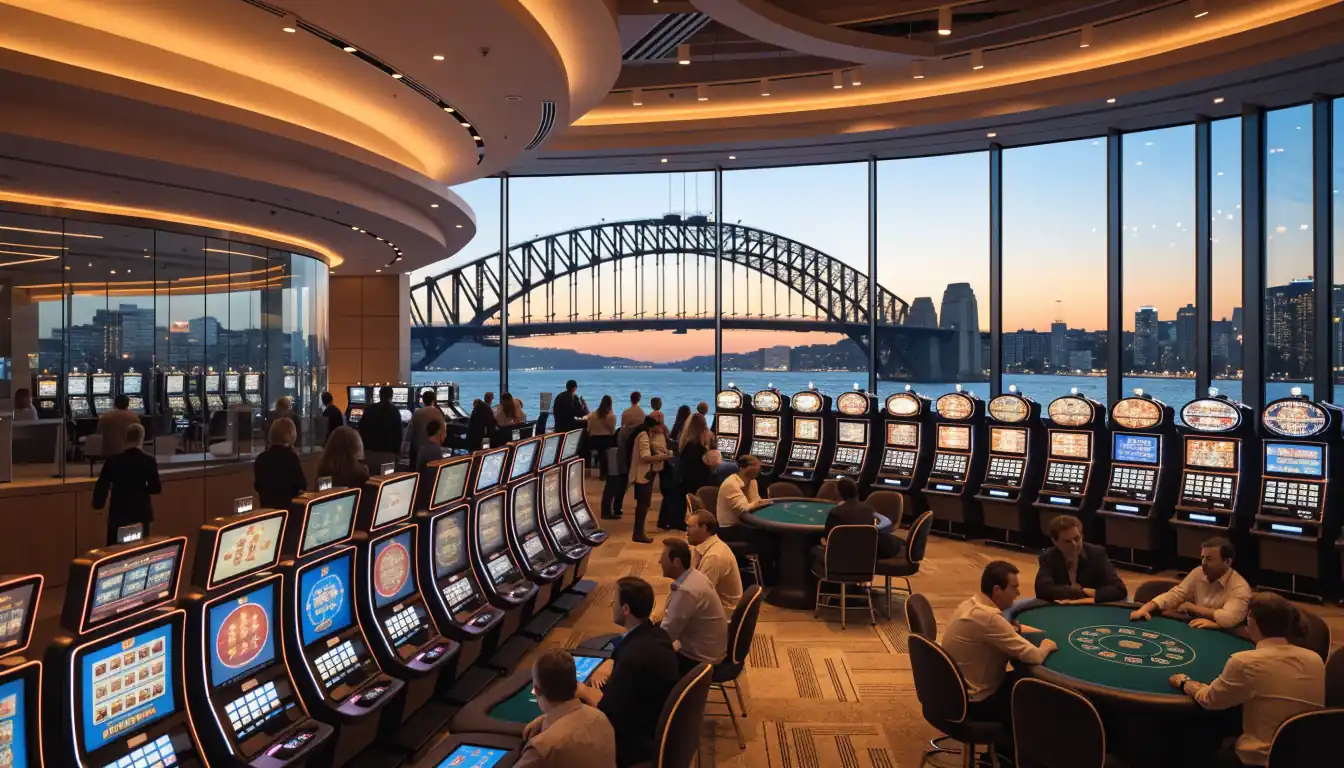
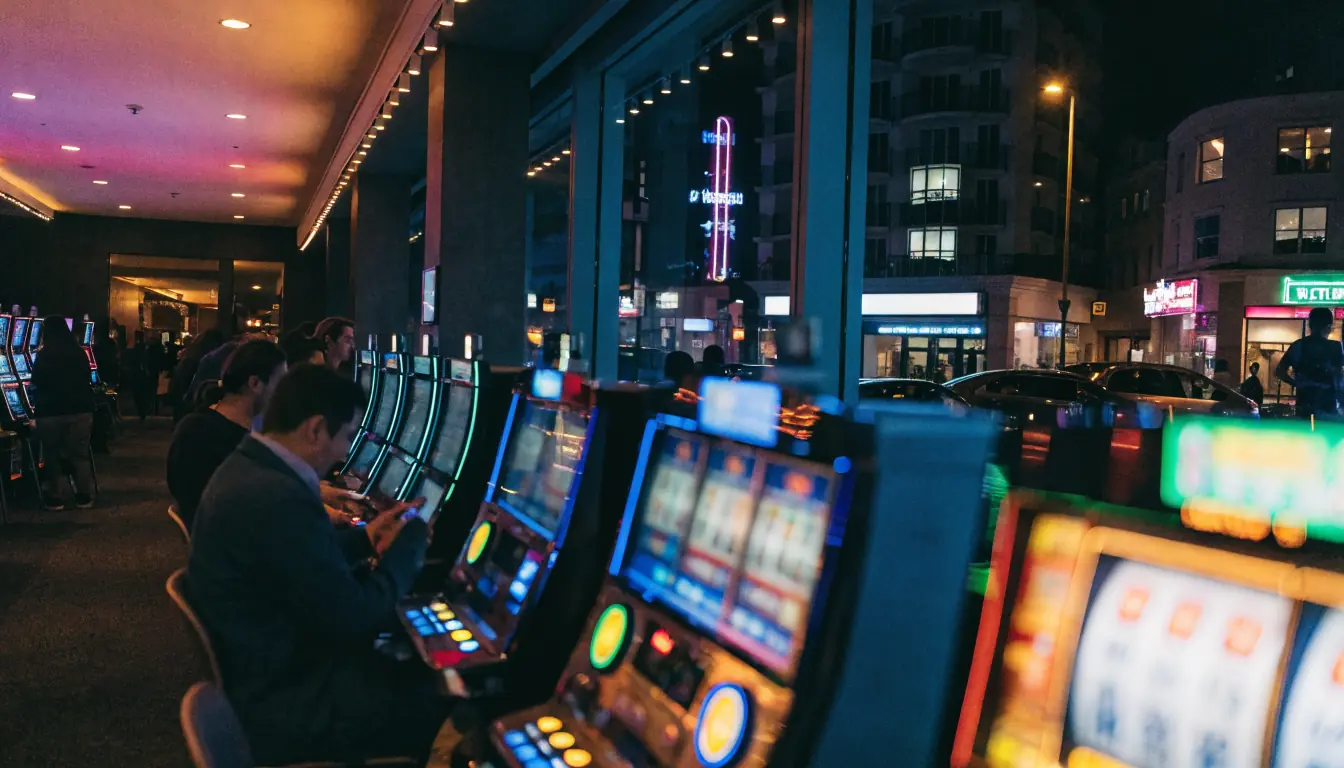
That proximity is worth weighing before booking. A room a short lift ride from the tables is convenient if that’s the point of the stay, but it also means late-night noise from bars and gaming areas can carry further than in a wing set apart from the casino core. If quiet matters more than convenience, ask specifically which floor or wing a room sits in rather than assuming all rooms in the same hotel are equally insulated.
Amenities bundled into the stay
Most casino hotel packages in Queensland bundle in pool access, a fitness area, and some form of resort credit that can offset food or incidentals on site — though the exact inclusions vary by property and by the season the booking falls in, so it’s worth confirming what’s actually included before treating any advertised package price as final. Loyalty program tiers can unlock additional amenities, room upgrades, or late checkout, but the entry point for meaningful perks generally requires a track record of play recorded on the card, not just a booking.
One thing to flag plainly: hotel package pricing and gaming promotions are two separate systems even when they’re marketed together. A discounted room rate tied to a "stay and play" package doesn’t change how odds work on any given game, and it shouldn’t be read as a signal about value on the floor. Treat the room deal as a room deal.
Age restriction
All guests must be 18 or older to access any casino floor, bars, or gaming‑related amenities. Staff will check identification at entry points.
Booking directly versus through a third party
Booking a Queensland casino hotel directly through the property’s own reservations system typically surfaces loyalty-linked rates and any resort credit inclusions that third-party booking sites don’t show. Third-party platforms sometimes beat the direct rate on the room price alone, but they rarely carry through the ancillary perks — pool access, credit, or upgrade eligibility — that make the direct rate worth the difference. If a stay is built around gaming, direct booking is usually the more complete option even when it isn’t the cheapest headline number.
Who these hotels suit, and who they don’t
These hotels work well for a stay built around the casino itself — arriving to play across an evening or a weekend and wanting to be steps from the floor. They work less well as a general Queensland travel base if sightseeing beyond the casino precinct is the actual goal; standalone hotels closer to specific attractions or transport links can be a more practical, and often cheaper, choice.
It’s also worth being clear-eyed about the broader context. Gambling participation in Australia is high — most adults gamble in some form in a given year, and average annual losses run into four figures per capita — so a heavily discounted casino hotel rate is, functionally, part of how a venue keeps people on-site and playing longer. That’s not a criticism of the room itself, which can be a genuinely good stay on its own merits, but it’s worth knowing why the price looks the way it does. Anyone booking one of these rooms needs to be 18 or over to access any casino offers bundled into the stay, and gambling winnings from any play during the visit aren’t taxed under Australian law.
Gaming Areas: Poker Rooms and Tables
Queensland’s casino floors are built around table games first, with poker occupying its own section rather than being folded into the general pokies area. Walk past the slot banks and you’ll typically find a dedicated room or roped-off zone where dealers run Texas Hold’em and Omaha cash games, separate from the blackjack and baccarat pits. The physical separation matters: poker is player-versus-player, not player-versus-house, so the tables, the dealer buttons, and the rake structure all work differently from the rest of the floor, and Queensland venues generally keep that logic visible in how the room is laid out.
Cash games run at multiple stakes levels through the day and evening, though which stakes are spread depends on the venue and how busy the room is on a given night. Weeknight tables tend to be quieter and easier to get a seat at; weekends fill up, particularly around any advertised tournament series. If you’re planning a session around a specific game or stake, calling ahead or checking with the poker room desk directly is more reliable than assuming a table will be running when you arrive.
Tournament schedules
Tournament poker is where Queensland casinos put more effort into structure and promotion. Expect a rotating calendar of buy-in events, freezeouts, and multi-table tournaments, often building toward a larger series a few times a year. Structures, starting stacks, and blind levels vary by event, and none of that is standardised across venues — one casino’s Sunday tournament won’t mirror another’s, so it’s worth reading the specific structure sheet posted at the venue rather than assuming consistency from one visit to the next.
Registration for larger tournaments usually opens in advance, either at the poker room desk or through the casino’s own booking channels. Walk-up entry is common for smaller, recurring events, but the bigger series can fill their fields early, especially when a guaranteed prize pool is advertised.
Tournament registration
Larger poker tournaments require advance registration either at the poker desk or via the casino’s online booking portal. Walk‑up entry is only available for smaller, recurring events.
What sits around the poker room
Most poker rooms in Queensland casinos are positioned within easy reach of a sports bar or lounge area, which makes sense given how long a tournament day can run. These bars typically carry live sports coverage on screen, giving players somewhere to watch a race or a match between hands or during a break in a tournament. It’s a practical pairing rather than a themed one — players eliminated early or waiting for a table often end up there rather than leaving the building entirely.
The sports bar itself isn’t part of the gaming floor in a regulatory sense; it’s a separate licensed space, but its proximity to the poker room is deliberate. Casinos benefit from keeping players on-site, and a bar with live sport gives eliminated tournament players a reason to stay rather than head elsewhere.
A note on how these venues get compared
It’s worth being clear about something that applies to land-based venues generally: any ranking or "best of" list you encounter for casinos — including online guides comparing operators — is not a comment on the physical poker room quality, table variety, or tournament calendar at a Queensland venue. Rankings of casino operators are typically built around a different set of criteria entirely: bonus generosity, payout reliability, game library breadth, customer support responsiveness, and user feedback are the kinds of weighted factors that drive those comparisons, refreshed on a regular cycle as conditions change. None of that measures a physical poker room’s felt, dealer quality, or tournament structure — those are things you assess by playing there, not by reading a scored list.
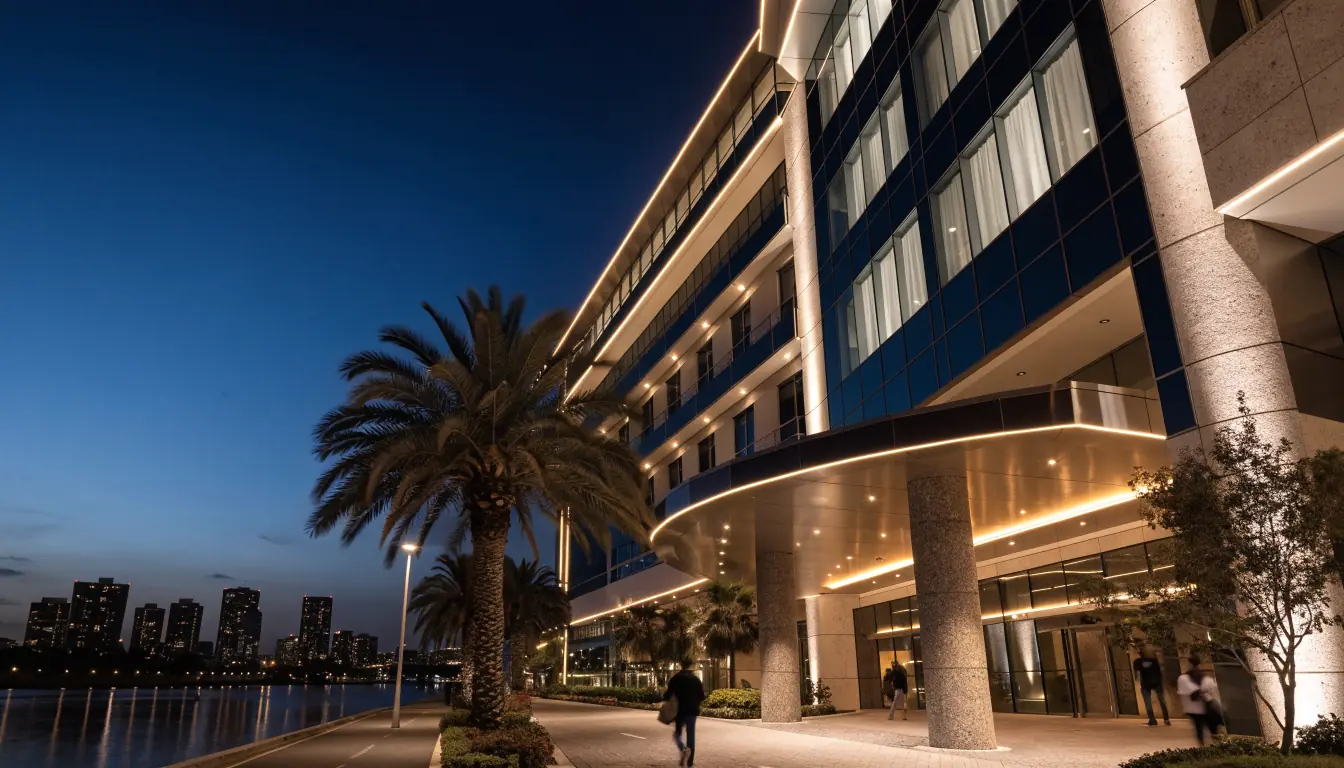
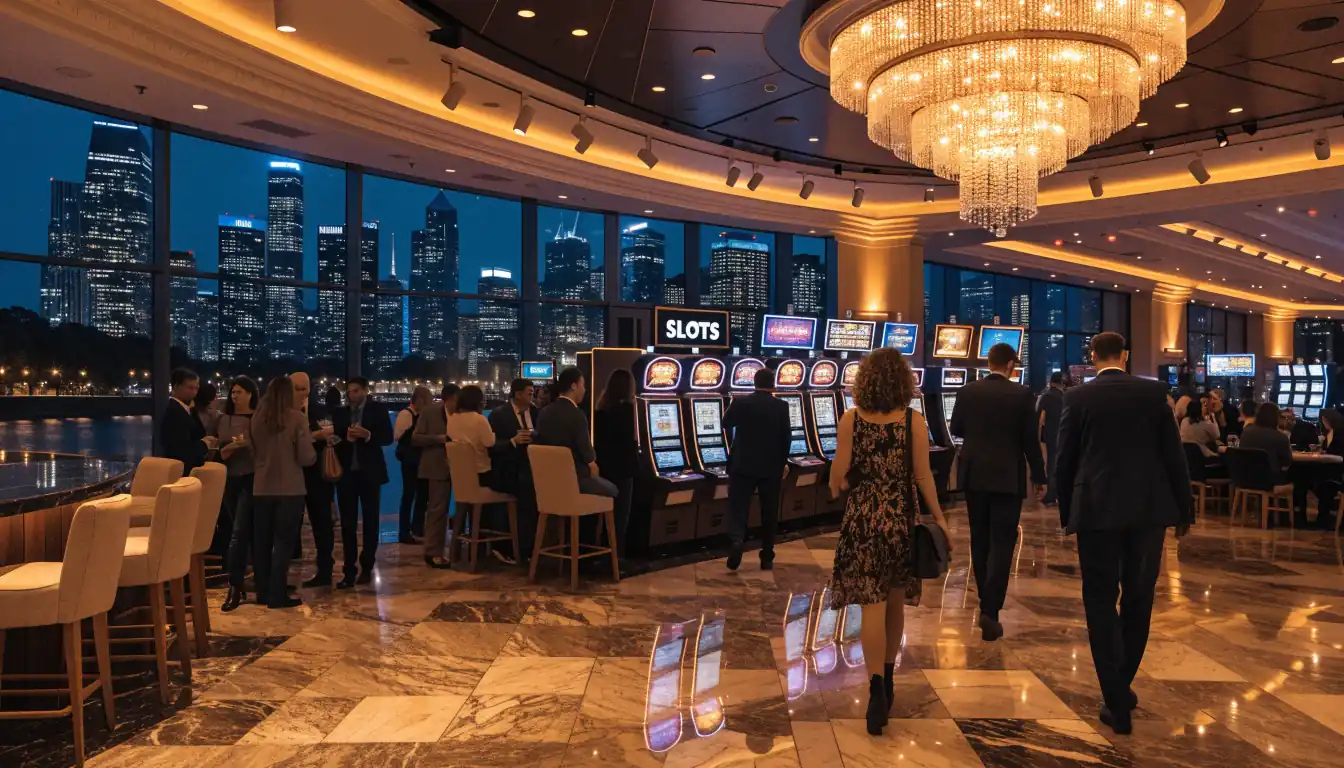
Gambling losses nationally ran into the tens of billions in a recent financial year, and roughly two in five Australian adults gambled at least weekly around the same period — context worth keeping in mind if a big buy-in tournament is calling your name. Poker’s structure gives players more control than a pokies session, since skill and decision-making affect outcomes in a way they don’t at a slot machine, but the buy-in still leaves your bankroll once it’s on the table. Setting a limit on tournament and cash game spend before you sit down is a more useful habit than working it out mid-session.
Dining Options: Buffets and Breakfasts
A casino resort in Queensland lives and dies on more than its gaming floor, and the buffet is usually where that becomes obvious. Breakfast service tends to open early enough to catch guests before a full day on the tables, and the format is the familiar one: hot stations, made-to-order eggs, a bakery corner, and a fruit and cereal spread for anyone not interested in anything cooked. None of this is exclusive to Queensland — it’s the standard template for large resort dining across Australia — but the scale at a casino property is usually bigger than a standalone hotel, simply because there’s more foot traffic to feed.
Buffet pricing variability
Buffet prices change with the season, day of the week, and any ongoing promotions. Always confirm the current price and any required booking before you arrive.
The all-day buffet, where one exists, is pitched as a one-stop option for groups with different tastes at the same table — someone wants Asian food, someone wants a steak, someone just wants dessert. That’s the actual value proposition: not that the food is exceptional, but that indecision doesn’t cost anyone a second trip out. Whether that’s worth it depends entirely on price and the individual property, and this is one area where a general guide can’t responsibly give you a number, because buffet pricing changes with the season, the day of the week, and whatever promotion is running that month.
What to actually check before you go
Buffet operations at large resorts are more volatile than people expect. Stations open and close, hours shift around public holidays, and some properties run reduced formats midweek. A few practical things worth confirming directly with the venue rather than assuming:
- Whether breakfast is included with your room rate or charged separately
- Current hours, since these can differ from what’s printed on older signage or third-party listings
- Whether the buffet requires a booking on weekends, which is common when there’s a show or major event on the same night
- Any loyalty program tie-in — casino rewards schemes often include discounted or complimentary buffet access at certain membership tiers, which can meaningfully change the economics if you’re a regular visitor
That last point is worth dwelling on. Rewards programs are one of the more tangible ways a Queensland casino resort tries to keep dining guests coming back, tying points earned on the gaming floor to food and beverage credit. The mechanics vary by operator and aren’t standardised across the state, so the only reliable way to know what you’re entitled to is to check with the specific property’s loyalty desk rather than assume parity between resorts.
Staffing behind the buffet
It’s easy to forget that a resort-scale buffet is also one of the larger employers on site. Positions across breakfast and buffet service — chefs, kitchen hands, front-of-house staff, stewarding — are a recurring part of hospitality hiring at Queensland casino resorts, alongside the gaming and hotel roles covered elsewhere on this page. If you’re looking at this line of work rather than this line of food, the practical move is to go to the resort’s own careers page rather than general job boards, since casino hospitality postings often move quickly and aren’t always mirrored elsewhere.
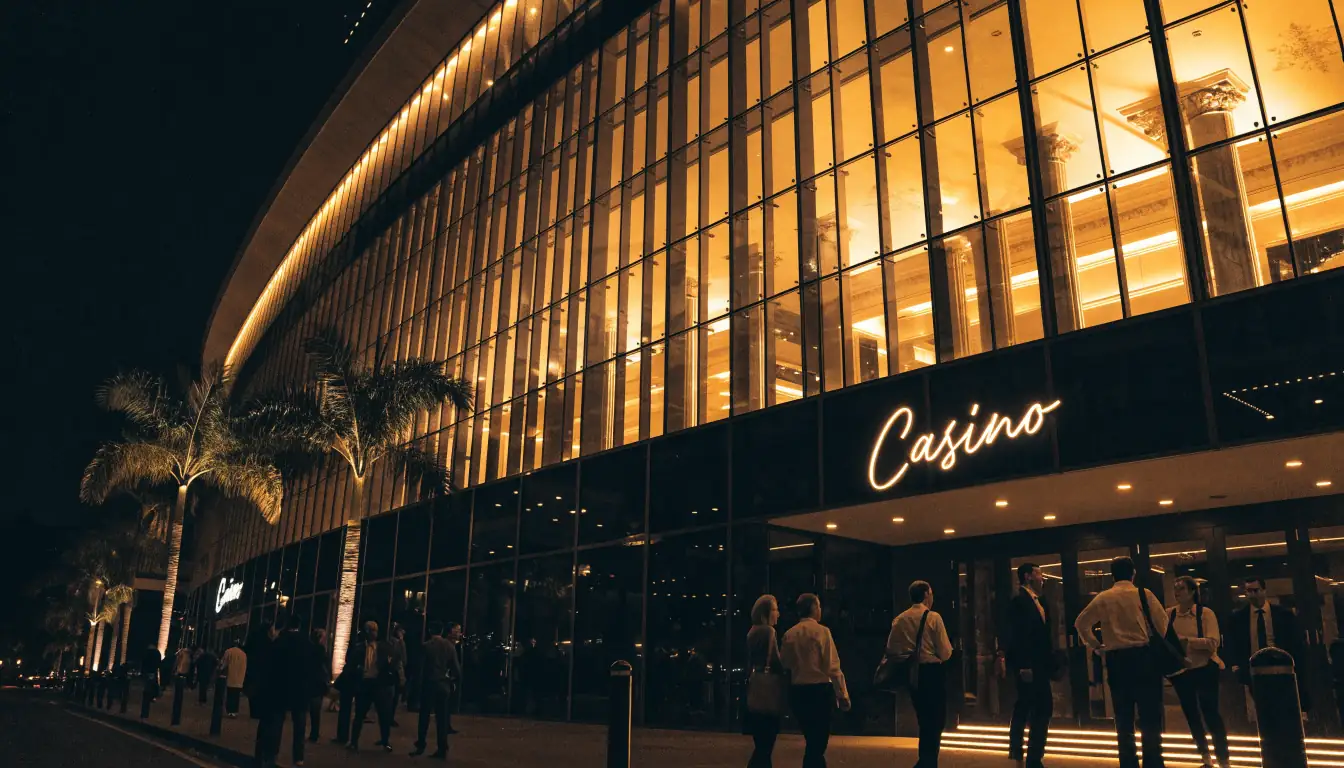
A boundary worth stating plainly
Everything above concerns physical dining rooms inside a licensed, land-based casino resort — a legal and unremarkable part of Australian hospitality. It has nothing to do with online casino games. Under the Interactive Gambling Act, which one source dates to 1997 and another to a 2001 version — the record isn’t consistent on this point — the provision of online casino games to Australian residents is prohibited federally. That prohibition targets operators, not the individuals who might come across offshore sites; it isn’t illegal for an Australian to play at one. But no buffet loyalty points, resort membership, or on-site rewards balance has any bearing on that separate, online part of the industry, and nothing in this section should be read as pointing toward it.
Parking and Accessibility
Getting to a Queensland casino is rarely the hard part — finding somewhere to leave the car, or knowing whether the building can actually accommodate a wheelchair, walker or pram, is where the practical questions start. Since none of the state’s licensed casinos publish a single standardised parking or access policy, what you find will vary from property to property, and it’s worth checking directly with the venue before you drive in expecting a specific rate or a guaranteed bay.
Parking rates
Parking fees differ between properties and can change without notice. Verify the current rate and any validation options with the venue before you drive in.
Parking on site
Most Queensland casino complexes are built as integrated resorts, meaning the car park sits underneath or beside the hotel, convention centre and retail areas rather than being a standalone gaming car park. That has a practical upside: multi-storey structures with lifts are the norm, not the exception, which matters if you’re travelling with anyone who has mobility restrictions. Whether parking is free, discounted for hotel guests, or charged at a standard commercial rate depends on the individual property and can change, so treat any figure you’ve seen elsewhere as unconfirmed until the casino’s own signage or booking confirmation states it.
Drop-off zones are typically positioned at the main entrance, close to reception and the gaming floor, letting a driver pull in, unload passengers and luggage, and move on without needing to park. These zones tend to be monitored, both for security reasons standard across licensed venues and to keep the flow of vehicles moving during peak evening hours.
Accessibility features
Physical access is generally solid across the larger Queensland properties, reflecting their status as full resort developments rather than standalone gaming halls. Expect to find:
- Accessible parking bays close to lifts and main entrances, marked and reserved.
- Step-free routes from car parks and drop-off points through to gaming floors, restaurants and hotel lobbies.
- Lifts connecting multi-level car parks to the casino floor, avoiding reliance on stairs or escalators alone.
- Accessible restrooms distributed across public areas, not confined to a single location.
Staff at the main entrance or concierge desk are generally the first point of contact if you need a wheelchair, have questions about the easiest route through the building, or require assistance getting from a vehicle to the gaming floor. Because staffing arrangements and the exact scope of assistance offered aren’t publicly detailed by the operators, it’s sensible to phone ahead if you have specific requirements, rather than assume a particular service will be available on arrival.
A practical note on age and access controls
Access to the gaming floor itself is restricted to adults, and identification checks at entry points are standard practice across Australian casinos — a control that matters given how early gambling exposure begins in this country. Close to a third of 12–17-year-olds report having gambled in some form, and that figure rises sharply to nearly half among 18–19-year-olds. Casinos enforce entry age checks partly because of this pattern, not simply as a formality, and parking areas or drop-off zones are not exempt from general venue security, so minors left unattended in vehicles near entrances can attract staff attention.
What to check before you go
Given the lack of a uniform policy across Queensland’s casinos, the most reliable approach is direct confirmation rather than assumption:
- Call ahead or check the specific casino’s website for current parking rates and validation options.
- Ask about accessible bay availability if you’re visiting during a known busy period, such as an event night.
- Confirm whether drop-off zones allow extended waiting or are strictly for immediate unloading.
None of this information is standardised industry-wide, so what applies at one Queensland property won’t necessarily apply at another.
Nearby Accommodation
Queensland’s casino precincts sit inside larger entertainment and business districts, and the streets around them carry their own supply of hotels, apartments and serviced suites that have nothing to do with the casino operator itself. If the on-site rooms are full, priced out of range, or you’d simply rather stay somewhere with no gaming floor downstairs, these surrounding options are worth knowing.
What differs from staying on-site
On-site casino hotels are covered elsewhere in this guide, so this section deals only with the independent stock nearby. The practical differences are straightforward:
- Ownership and booking: nearby hotels are run by separate hospitality groups, so their rates, loyalty programs and cancellation terms follow their own brand’s rules, not the casino’s.
- Walking distance: most sit within a short walk of the gaming floor, close enough that you don’t need to drive or rely on the casino’s own transport links.
- Price range: independent hotels span a wider spectrum, from budget apartment-style stays to full-service business hotels, giving you more room to negotiate against your own budget than a single on-site tower usually allows.
- Quiet factor: rooms away from the casino building itself tend to be less exposed to event noise, useful if you’re in town for something other than a night at the tables.
Choosing based on what you’re actually doing in town
If your trip is built around table games or the poker room, proximity matters more than anything else — a hotel a few minutes’ walk away still gets you to your game quickly without paying on-site rates. If you’re combining a casino visit with other business, Queensland’s surrounding districts offer standard corporate hotels with the meeting rooms and transit links casino hotels don’t always prioritise.
It’s also worth remembering what the casino floor itself can and can’t offer while you’re deciding where to sleep. Table games and pokies are the draw, but online sports betting is legal in Australia under state and territory licences, which means a room near the casino doesn’t lock you out of following a match on a licensed app between sessions — a different regulatory lane entirely from the casino floor itself.
A practical note on booking directly versus through the casino
Some visitors assume booking through the casino’s own reservations desk automatically gets a package rate on nearby partner hotels. That’s not guaranteed, and it’s worth comparing the independent hotel’s own site or a general booking platform against whatever the casino quotes before committing. Neither this section nor the casino operators disclose which nearby properties, if any, have a formal partnership arrangement — that detail isn’t publicly published, so treat any "preferred partner" claim as something to verify with the hotel directly rather than take at face value.
What to check before booking
- Cancellation policy, particularly if your casino trip depends on an event date that could shift.
- Whether breakfast is included, since dining at the casino itself is covered separately in this guide and isn’t always the cheapest option for a quick morning meal.
- Distance to the casino’s parking and drop-off points if you’re driving in from further out, since walking distance from a nearby hotel can still mean navigating the casino’s own access roads.
None of this substitutes for checking a hotel’s current rates and availability directly — those change too often for a general guide to track reliably, and the right choice depends on whether you’re prioritising a five-minute walk, a lower nightly rate, or simply a room where the neon isn’t visible from the window.
Contact Points: Bars, Concerts and Customer Service
Queensland’s casino resorts function as small entertainment precincts, and finding your way to a bar, a concert or a member of staff shouldn’t require a map. This section covers how those contact points are organised — where the bars sit, how concerts are ticketed, and what channels exist if something goes wrong.
Bars on the gaming floor and beyond
Most Queensland casinos run several bars rather than one central venue. Typically there’s a bar embedded within the gaming floor itself, positioned so table game and pokies players don’t need to leave the action, alongside a separate lounge or cocktail bar tied to the hotel lobby or a restaurant precinct. Sports-viewing bars are common too, usually screening racing and major sporting fixtures. If you’re looking for a specific bar on your visit, front-of-house staff at the main entrance or the concierge desk can point you to it faster than wandering the floor — the layouts are large enough that guessing is a poor strategy.
Located on the casino floor for quick access while you play.
A quieter setting in the hotel lobby, ideal for cocktails after gaming.
Screens major sporting events and is often adjacent to the poker room.
Concerts and live entertainment
Queensland’s larger casino resorts double as concert venues, hosting touring acts and local performers in dedicated theatres or event spaces separate from the gaming areas. Tickets for these shows are generally sold through the venue’s own box office or its website, and it’s worth checking seating and access requirements before you book, since capacity and staging vary considerably between a small lounge act and a full theatre production. Concert schedules shift regularly, so treat any listing as a starting point rather than a guarantee — confirm dates directly with the venue before travelling any distance to attend.
Reaching customer service
For general enquiries — bookings, lost property, complaints, or questions about a specific facility — casinos typically offer a main contact number alongside email and in-person guest services desks. If you can’t find a listed number for the property you’re visiting, the casino’s own website is the most reliable source, since front-desk numbers and department extensions change more often than review pages get updated. Formal complaints should go through the venue’s guest relations or customer service team, and Australian consumer protections mean a physical casino is required to provide a clear channel for raising and escalating issues.
Efficient help
Contacting the main switchboard or guest‑services desk will get you fast answers to bookings, lost property, or facility questions.
It’s worth being precise about what "customer service" means here: this is support for the physical Queensland venue — bookings, floor enquiries, event tickets, facility complaints — not customer support for online gambling accounts. There are no domestically licensed real-money online casino operators available to Australian players, and online casino games such as slots, poker, blackjack and roulette are prohibited under the Interactive Gambling Act 2001, the Commonwealth law that governs online gambling with a focus on minimising harm. Anything presenting itself as "24/7 live chat support" for an Australian online casino account sits outside that legal framework entirely, and no contact number for such a service should be treated as legitimate customer care.
A quick reference
| Need | Typical contact point |
|---|---|
| Table games or pokies bar | On-floor bar near the gaming area |
| Cocktails or lounge service | Hotel lobby or restaurant-precinct bar |
| Concert tickets | Venue box office or official website |
| General enquiries | Main switchboard or guest services desk |
| Complaints | Guest relations team, in person or by phone |
Whatever the query, starting with the venue’s own listed contact details — rather than a third-party number found elsewhere — remains the most direct route to an actual answer.
Operating Hours and Event Schedule
Queensland’s land-based casinos run on extended daily schedules, with gaming floors typically open well into the early hours and, in the case of the main gaming areas, around the clock on weekends. Hours shift around public holidays and major events, so it’s worth checking the specific venue’s schedule before planning a late-night visit rather than assuming standard hours apply.
Development and reopening timelines have shaped how these venues currently operate. Queensland’s casino properties have gone through staged construction, refurbishment and reopening phases over recent years, and different sections of a resort — gaming floors, function rooms, entertainment venues — don’t always come back online at the same time. If a specific area you’re after, such as a newly built tower or a refreshed gaming zone, isn’t listed as active, it may still be in a reopening phase rather than permanently closed.
Entertainment and events calendar
Casino resorts in Queensland run a rotating calendar of live entertainment, including concerts, comedy nights and themed events tied to public holidays or sporting calendars. These are typically hosted in dedicated function or theatre spaces within the resort rather than on the gaming floor itself, and ticketing is usually separate from general casino entry. Because entertainment schedules change frequently, checking the venue’s own listings close to your visit date is more reliable than relying on a fixed calendar.
Employment at these venues follows the same operational rhythm — casino resorts are large employers across gaming, hospitality, entertainment and events, and hiring tends to track the same reopening and expansion phases that affect operating hours. Recruitment activity often spikes around the launch of new facilities or entertainment venues within a resort.
Entertainment schedule
Concerts and live shows are listed on the venue’s official website; always double‑check dates and ticket availability before travelling.
What operating hours don’t cover
It’s worth being clear about a distinction that matters more than opening times: none of this relates to online play. Queensland’s casino resorts operate as physical, licensed venues under state gaming law, and their hours and events apply strictly on-site. It is illegal to offer online casino gambling in Australia, and no licence exists — in Queensland or anywhere else in the country — to run an online casino domestically. So while a resort’s gaming floor might be open 24 hours, that has no bearing on any online gambling product, regardless of how it’s branded or marketed.
The same applies to live betting. Betting on events in real time by phone is legal, but live, in-play betting through an online platform is not. If a casino’s promotional material or menu of services mentions "live" wagering options, it’s referring to activity that takes place on the premises or over the phone — not through an app or website, since no such licensed product exists in this market.
Before visiting, checking a venue’s current hours and event listings directly avoids confusion, particularly for anything still working through post-development reopening stages.

Wellness Facilities: Spa and Relaxation
Queensland’s casino resorts treat wellness as a parallel offer to the gaming floor rather than an afterthought bolted on for convention guests. Day spas attached to the larger properties typically run treatment menus covering massage, facials and body treatments, alongside sauna and steam facilities reserved for spa guests or hotel residents holding a wellness package. None of this requires a gaming pass — you can book a treatment without ever setting foot near a table or a poker machine.
The dress code question that comes up around these spas is straightforward in principle: robes and sandals are fine within the spa’s own zone, but you’re expected to change before crossing into the hotel lobby or restaurant areas. Casino floor dress codes are a separate matter entirely — smart casual is the general expectation there, with enforcement varying by venue and time of day — and that’s not something a spa booking exempts you from if you plan to walk through the gaming areas afterward.
Booking and access
Spa access at these resorts generally works one of two ways:
- Hotel guests — often able to book directly through in-room services or the hotel concierge, sometimes with priority scheduling during quieter parts of the day.
- Walk-in or day visitors — bookable independently, typically requiring advance reservation given limited treatment rooms.
Pools, gyms and fitness facilities usually sit under the same wellness umbrella as the spa, though full detail on poolside areas belongs elsewhere. What matters here is that these amenities function as a genuine break from the gaming floor, not an extension of it — there’s no betting terminal in the relaxation lounge, and staff in these areas are trained for hospitality service rather than gaming supervision.
Why the separation matters
Keeping wellness spaces distinct from gaming areas isn’t just a design choice — it reflects a broader responsible-gambling posture that Australian venues are expected to maintain. A meaningful share of the adult population — estimates put it at roughly 80,000 to 160,000 people nationally — experiences significant gambling problems, and venues that offer non-gaming amenities give patrons a genuine reason to step away from the floor rather than treating every square metre of the property as an extension of the casino. If you’re visiting primarily for the spa, treat it as its own itinerary item rather than a break between gaming sessions.
If gambling is starting to feel less like entertainment and more like something you can’t step away from, GamblingHelpOnline.org.au and the national support line on 1800 858 858 are available at any hour, independent of any casino operator.
Gambling risk
If you feel you cannot stop playing, seek help immediately at GamblingHelpOnline.org.au or call 1800 858 858.
Restaurant Choices Around the Casino
Buffets cover volume, but the à la carte rooms around a Queensland casino are where the actual cooking happens. Most properties in Brisbane, the Gold Coast and Cairns build a small cluster of standalone restaurants around the gaming floor rather than one flagship dining room, and the split usually falls along the same lines: a steakhouse, an Asian-fusion kitchen, an Italian or Mediterranean option, and at least one seafood-focused venue that leans on local catch.
Steakhouses tend to sit closest to the high-limit gaming areas, with the kind of formal service and wine lists that assume a diner is either celebrating a win or trying to forget one. Bookings matter here more than anywhere else on site — walk-ins can face a wait that a phone reservation avoids entirely.
The Asian-fusion rooms are usually the most flexible for groups, mixing shared plates with individual mains, and they’re often the last kitchens in the building still taking orders late into the evening. If a night at the tables runs long, this is typically where food is still available when the formal dining rooms have closed their kitchens.
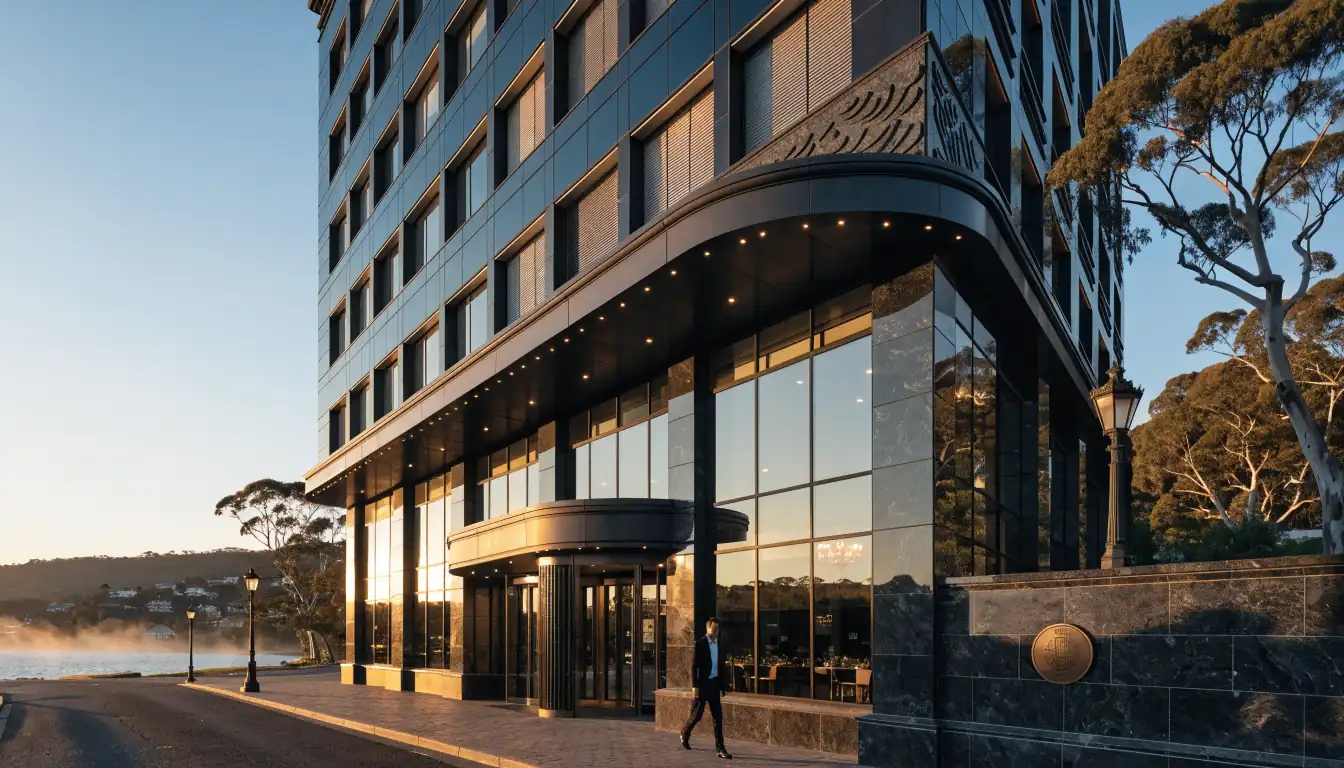
Rooftop and view dining
A rooftop bar attached to the restaurant precinct has become close to standard at the larger Queensland casino resorts, particularly in Brisbane and on the Gold Coast, where elevation buys a view of the river or the coastline. These spaces usually operate as a hybrid — a bar menu of smaller plates alongside cocktails, functioning as a lighter alternative to a full sit-down meal rather than a replacement for it. They’re worth checking for dress codes separately from the main gaming floor, since some enforce a smarter standard after early evening.
What to check before booking
- Cuisine spread: confirm the property actually has the specific style you want — not every casino restaurant precinct includes all of steak, seafood, Italian and Asian options.
- Reservation policy: signature restaurants at busy resorts can require bookings well ahead of weekend evenings.
- Kitchen hours: closing times vary sharply between the formal restaurants and the more casual, later-opening kitchens nearby.
- Age restrictions: some restaurants sit inside gaming areas with an 18-plus entry rule, since the legal minimum age for accessing casino facilities in Australia is 18.
That last point is worth taking seriously rather than treating as boilerplate. Underage gambling isn’t a marginal issue here — close to a third of 12 to 17-year-olds and nearly half of 18 to 19-year-olds in Australia report having gambled, which is part of why venues are strict about checking ID at entrances that lead through or past gaming floors, restaurants included.
Prices and menus change often enough that a direct call or check with the venue beats relying on anything printed months earlier.
Food Courts and Pool Areas
Not every visit calls for a sit-down meal. Queensland’s casino resorts also run food courts for anyone who wants something quick between sessions at the tables or on the way to a show. These spaces sit apart from the buffet halls and à la carte restaurants covered elsewhere — think grab-and-go counters, quick-service noodle bars, coffee stands and the kind of casual fare you’d eat standing up or on a bench rather than at a set table. They’re aimed at guests moving between the gaming floor, the pool deck and the car park, not at anyone planning a leisurely dinner.
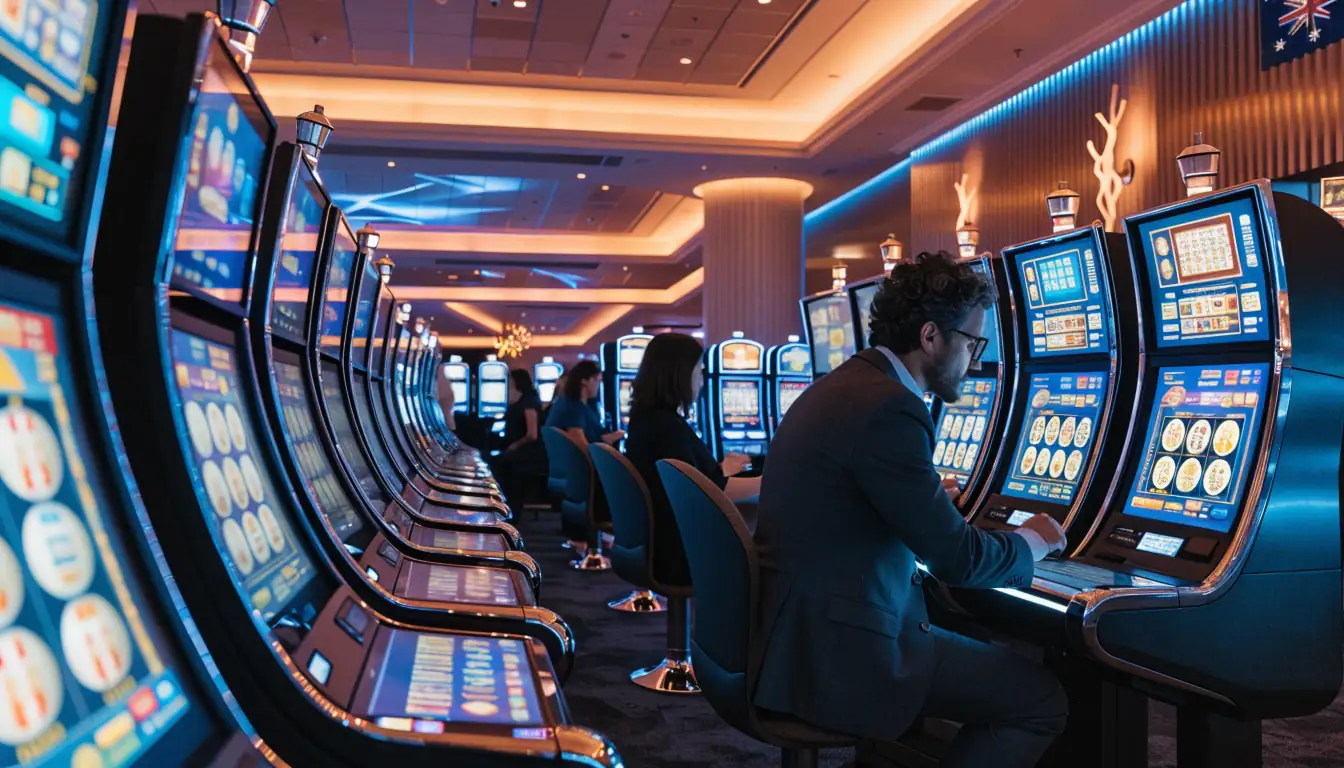
Pool areas serve a similar practical role, though they’re really about downtime rather than food. Resort pools attached to Queensland casinos typically operate as an extension of the hotel stay, available to registered guests, with poolside service covering drinks and light snacks rather than full menus. It’s less about the food itself and more about having somewhere to unwind that isn’t the gaming floor or a restaurant table.
None of this changes the basics that apply across the resort: anyone accessing casino offers or gaming areas needs to be 18 or older, and any winnings picked up during a visit — whether at the tables or in a side bet with a friend by the pool — aren’t taxed in Australia. Food courts and pools don’t come with age restrictions of their own beyond general hotel and venue rules, but they’re part of the same complex, so the same entry conditions for gaming areas still apply once you step past the pool gate.
Are there any domestically licensed real-money online casinos available to Australian players?
No, there are no domestically licensed real-money online casino operators available to you in Australia. It is illegal to offer online casino gambling domestically, and the Interactive Gambling Act 2001 prohibits operators from providing these games to residents.
Can I legally play at offshore-licensed online casinos in Australia?
Yes, it is not illegal for you to play at offshore-licensed online casinos. The Interactive Gambling Act 2001 targets the operators offering the games, not the individual players.
Who regulates physical casinos in Queensland versus online gambling?
Physical casinos in Queensland are licensed and inspected under state-based frameworks. Online gambling falls under the federal Interactive Gambling Act 2001 and is enforced by the Australian Communications and Media Authority (ACMA), with no overlap between the two systems.