
Golden Pokies Casino Australia: What to Know Before You Play
 Available in US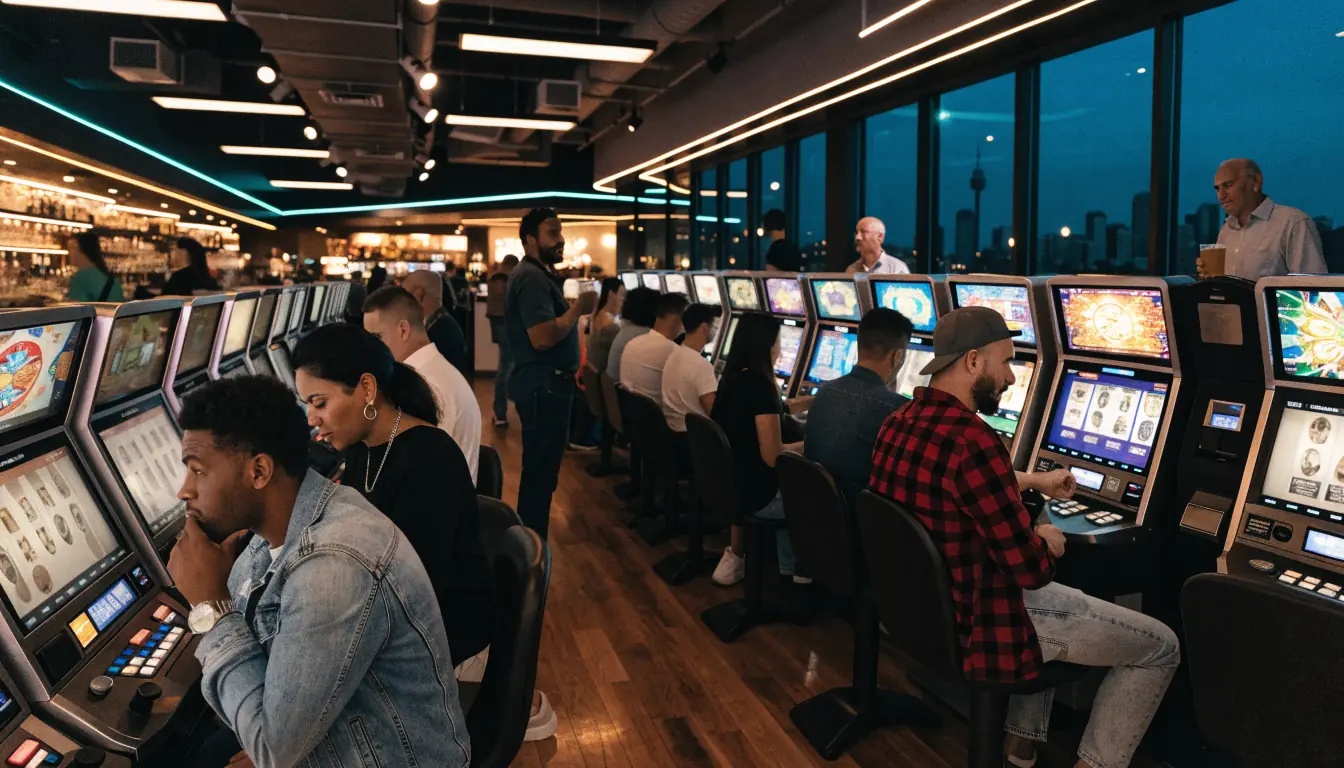
Understanding Pokies in Australia
Walk into almost any pub or club in Australia and you’ll find them: rows of upright cabinets with spinning reels, flashing lights, and a low electronic hum that rarely stops. Australians call them pokies. Elsewhere they’re known as poker machines or, in regulatory documents, electronic gaming machines (EGMs) — the formal term you’ll see in government reports and compliance material. All three names refer to the same thing: a machine that accepts cash or credit, runs a randomised game, and pays out according to a fixed set of odds built into its software.
Before searching for anything with "golden pokies" in the name, it helps to understand what pokies actually are in the Australian context, how they came to be everywhere, and how large the money involved actually is. This isn’t background trivia — it’s the framework that explains why online versions of these games sit in a completely different legal category, and why the cash-heavy nature of physical pokies has drawn the attention of financial crime regulators. Both of those threads are picked up later in this piece. Here, the focus is the machines themselves: what they are, where they operate, and what the numbers say about their place in Australian life.
Before you commit to a pokies site, it helps to weigh what actually matters: the welcome offer, how fast you can access your money, and the licensing behind the operator. Here’s a quick, no-nonsense look at each contender.
Bonus: up to A$7,500 + 550 free spins across 10 deposits, 50x wagering · Payout speed: crypto under 1 hour, PayID 1-3 business days · Min. deposit: A$20 (A$30 to qualify for the bonus) Ricky Casino spreads a large bonus of up to A$7,500 plus 550 free spins across 10 deposits, with 50x wagering to clear. Crypto withdrawals land in under an hour, while PayID takes a few business days, and the entry deposit is a low A$20 (A$30 to unlock the bonus).
License: Curacao Gaming Control Board OGL/2023/176/0095 (Hollycorn N.V.) · Bonus: up to A$11,000 + 300 free spins (code NEO100) Neospin operates under a Curacao Gaming Control Board license held by Hollycorn N.V., and backs it with a sizeable welcome package of up to A$11,000 plus 300 free spins via a bonus code.
Bonus: up to A$750 + 50 jackpot spins, 35x wagering · Payout speed: crypto ~90 minutes, fiat 1-5 days · Min. deposit: A$30 Kingmaker offers up to A$750 plus 50 jackpot spins at 35x wagering, with fast crypto payouts around 90 minutes and fiat withdrawals taking up to five days; the minimum deposit is A$30.
License: Curacao, operated by Dama N.V. · Bonus: 325% up to 5.25 BTC + 250 free spins across 4 deposits 7Bit Casino runs under a Curacao license via Dama N.V. and stands out for its crypto-focused bonus structure, offering 325% up to 5.25 BTC plus 250 free spins spread over four deposits.
License: Curacao Gaming Control Board · Bonus: up to A$5,000 + 400 free spins JustCasino holds a Curacao Gaming Control Board license and pairs it with a generous offer of up to A$5,000 plus 400 free spins.
Bonus: 100% up to A$750 + 200 free spins, 35x wagering · Payout speed: crypto 30-120 minutes, fiat 24-72 hours · Min. deposit: A$30 MrPacho gives a 100% match up to A$750 plus 200 free spins at 35x wagering, with crypto payouts processed within roughly 30 to 120 minutes and fiat within a few days; the minimum deposit is A$30.
License: Curacao Gaming Control Board OGL/2023/176/0095 (Hollycorn N.V.) · Bonus: 100% up to A$10,000 + 100 free spins GoldenCrown is licensed by the Curacao Gaming Control Board through Hollycorn N.V. and offers a 100% bonus up to A$10,000 alongside 100 free spins.
License: Curacao – Antillephone N.V. (Versus Odds B.V.) · Bonus: up to EUR 2,000 across 5 deposits + 200 free spins · Min. deposit: EUR 20 Thor Casino is licensed in Curacao via Antillephone N.V. (Versus Odds B.V.) and spreads its bonus of up to EUR 2,000 across five deposits, adding 200 free spins, with a EUR 20 minimum deposit.
License: Curacao · Bonus: 100% up to A$500 + 200 free spins, 10x wagering · Payout speed: crypto 30-60 minutes, fiat 1-5 days · Min. deposit: A$10 Wild Tokyo holds a Curacao license and offers a 100% bonus up to A$500 plus 200 free spins at a notably low 10x wagering requirement, with fast crypto payouts of 30 to 60 minutes and a minimum deposit of just A$10.
License: Curacao OGL/2024/1335/0780 · Bonus: up to A$1,000 + 150 free spins, wager-free · Min. deposit: EUR 20 Vegaz Casino is licensed under Curacao’s OGL/2024/1335/0780 and offers up to A$1,000 plus 150 free spins with wager-free terms, making the bonus straightforward to use.
What a pokie actually is
A pokie is a self-contained gambling terminal. A player inserts cash — historically notes, increasingly card or account-based credit in some jurisdictions — and plays a game that usually resembles a slot machine: reels, symbols, paylines, and a paytable that determines what a winning combination returns. Some machines offer additional features like bonus rounds or progressive elements, but the mechanical core is the same across almost every device on the floor: money in, random outcome, money out according to a programmed return rate.
What makes a pokie different from, say, a card table is that there’s no dealer, no other players, and no need for staff involvement in the outcome of any individual spin. The machine handles everything. That’s part of why pokies are so heavily deployed across venues — they don’t require the same staffing overhead as table games, and a single room can house dozens of them, each generating turnover independently and simultaneously.
It’s worth being precise about a distinction that gets blurred constantly in casual conversation and in search results: a pokie in a pub is not the same regulatory object as a "pokie" or slot game offered on a website. They may look identical on screen — same reels, same symbols, sometimes even the same game titles licensed from the same software studios — but the machine bolted to the floor of a licensed venue and the game running in a browser sit under entirely different legal regimes in Australia. That distinction is central enough that the next section of this piece is dedicated to it. For now, everything discussed here concerns the physical, land-based machines that operate under state and territory gaming licences.


Where pokies operate
Electronic gaming machines are not confined to a handful of casino resorts. They are operated in all Australian states, the Australian Capital Territory, and the Northern Territory. That means there is no part of the country where pokies are simply absent from the landscape — the variation between jurisdictions is in the detail of regulation, venue caps, and operating conditions, not in whether the machines exist at all.
The venues themselves fall into three broad categories:
- Pubs (hotels) — Many suburban and regional pubs hold a small number of machines as a secondary revenue stream alongside food and drink service.
- Clubs — Registered clubs, including RSL and sporting clubs, are traditionally among the largest hosts of pokies outside of casinos, often running significantly more machines per venue than a typical pub.
- Casinos — Licensed casinos operate pokies as one part of a broader gaming floor that also includes table games, and typically face a distinct regulatory regime from pubs and clubs.
Each state and territory sets its own rules about how many machines a single venue can hold, how they’re taxed, and what harm-minimisation features must be built in — a patchwork that’s a direct consequence of gambling regulation being a state and territory responsibility in Australia rather than a single national scheme. This is a point that matters more once bonus structures, compliance obligations, and enforcement come into the discussion, but even at this level, it explains why a pub in one state might operate under materially different conditions to a club in another, despite both offering what looks, superficially, like the same experience.
How much of the world’s pokie supply is in Australia
One of the more frequently cited facts about the Australian gambling market is its outsized share of the world’s poker machines relative to the size of the population. The scale of that claim, however, depends heavily on which source you consult, and the two commonly cited figures are not close enough to treat as interchangeable.
One widely referenced estimate puts Australia’s share of the world’s pub and club poker machines at 3%. A separate, and considerably larger, estimate places the figure at around 18% of the world’s poker machines. That’s not a rounding difference — it’s a six-fold gap between two numbers that are both circulated as if they were settled facts. The discrepancy likely comes down to differences in what’s being counted: whether casino-based machines are included alongside pub and club machines, which countries and machine types are captured in each dataset, and how recent the underlying survey is. Without a shared methodology behind both figures, there’s no way to reconcile them into a single "true" number, and this piece won’t pretend otherwise by picking one over the other.
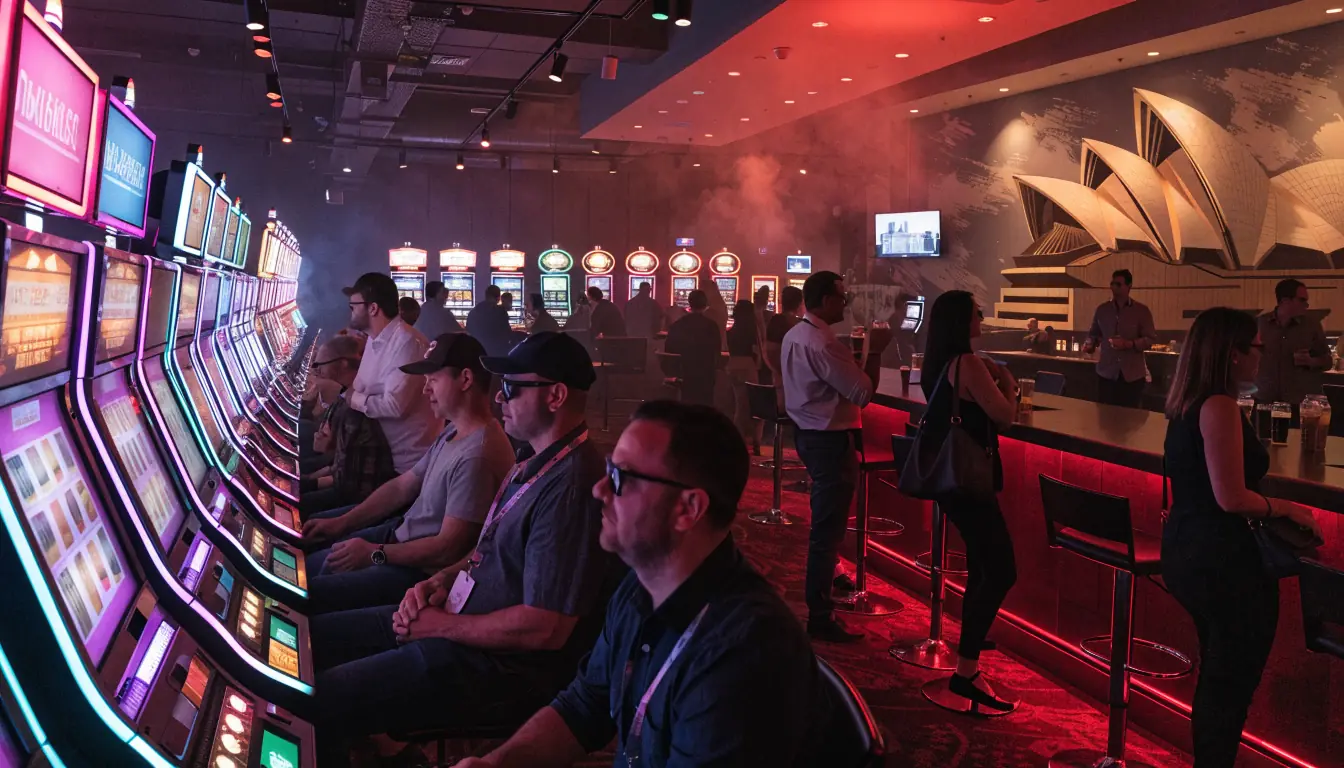
What both figures agree on, implicitly, is the underlying point: Australia hosts a disproportionately large share of the world’s electronic gaming machines relative to its population. Whether that share is closer to 3% or closer to 18%, the density of pokies in Australian pubs and clubs is unusual by international standards, and it’s this density — machines within easy reach of most communities, in venues people already visit for other reasons — that shapes much of the rest of the conversation around pokies in Australia, including the money-laundering vulnerabilities discussed later in this piece.
The size of the market in dollar terms
The scale of money moving through Australian pokies is large enough that it’s worth separating two different measures that are often confused with each other: turnover (the total value of bets placed, most of which gets recycled through repeated play) and player loss (the net amount players are left out of pocket, after wins are subtracted from money wagered).
In the financial year 2020–2021, Australians placed bets worth almost AUD 150 billion on electronic gaming machines. That figure represents turnover — money churned through the machines across millions of individual spins — not money that vanished from players’ pockets in a single transaction. Turnover is a measure of activity and velocity, not of loss.
The loss figure for the same period is smaller, but still substantial: the total player loss from electronic gaming machines in FY 2020–2021 was about AUD 12 billion. That’s the amount that pokies, in aggregate, took in beyond what they paid back out, across every state and territory where the machines operate.

Divided across the population, that loss works out to a per-capita figure of AUD 608 for FY 2020–2021. This is an average spread across the entire adult population, not a description of what any individual player lost — most Australians don’t play pokies at all, which means the money is concentrated among a smaller group of active players losing considerably more than the average implies. Still, as a single number describing the scale of loss relative to population size, it gives a sense of how much money the machines extract from the country each year, independent of who exactly is losing it.
More recent figures point in the same direction, though they come from a different source and shouldn’t be read as a direct continuation of the FY 2020–2021 numbers. According to complyadvantage.com, pokies generated AUD 191.2 billion in gambling turnover in 2023. That figure is not directly comparable to the AUD 150 billion turnover figure from FY 2020–2021 — different sources, different measurement periods, and turnover figures are sensitive to exactly how "turnover" is defined and collected. Treat it as a separate data point describing the scale of pokie activity in 2023, rather than as evidence of a specific year-on-year trend from the earlier figures.
Below is a summary of the figures discussed so far, kept deliberately separate by source and year rather than blended into a single trend line:
| Measure | Period | Figure | Source note |
|---|---|---|---|
| Total turnover (bets placed) | FY 2020–2021 | Almost AUD 150 billion | Government/industry data for that financial year |
| Total player loss | FY 2020–2021 | About AUD 12 billion | Same period as above |
| Per-capita loss | FY 2020–2021 | AUD 608 | Calculated across the period above |
| Gambling turnover from pokies | 2023 | AUD 191.2 billion | As reported by complyadvantage.com |
Why pokies are everywhere, and what that means beyond gambling
The ubiquity of pokies across pubs, clubs, and casinos isn’t just a fact about entertainment supply — it has a direct bearing on how the machines interact with cash, and by extension, with financial crime risk. Pokies are widely used across all three venue types precisely because they generate steady revenue with minimal staffing requirements, and because they accept and dispense cash in volumes that are hard to track once a machine has processed thousands of small transactions in a single day.
That combination — high cash volume and comparatively limited traceability at the level of an individual machine — is what makes pokies attractive as a vehicle for money laundering, a topic explored in more depth later in this piece. The mechanism is not exotic: an individual inserts a large sum of cash into a machine, plays through a token amount of it, and cashes out the remainder, creating a paper trail that looks like gambling winnings rather than an unexplained cash movement. One recognised warning sign of this pattern is large or repeated cash insertions followed by minimal play and an almost immediate cash-out — a sequence that looks nothing like ordinary recreational play, where money is typically wagered across many spins rather than inserted and withdrawn in quick succession.
Large or repeated cash insertions followed by immediate cash‑out are a red flag for money‑laundering.
This is where the physical, cash-based nature of traditional pokies becomes relevant to the machine’s design, not just its regulation. Cashless, account-based pokies — where funds move in and out of a linked account rather than as physical notes fed directly into the machine — improve traceability and reduce the anonymity that has made cash-based machines a target for this kind of activity, according to facctum.com. Transparent, account-based systems of this kind provide full traceability of deposits, gameplay, and withdrawals, because every movement of funds is tied to an identifiable account rather than to anonymous cash inserted and retrieved at a terminal. It’s on this basis that regulators recommend tighter customer due diligence, ongoing transaction monitoring, and a broader shift toward cashless gaming systems across the venues where pokies operate.
None of this changes what a pokie fundamentally is: a self-contained gaming machine, present in the overwhelming majority of licensed venues across the country, generating a turnover measured in the tens of billions of dollars each year. But it does explain why so much regulatory attention is directed at the machines beyond simple questions of odds and payout rates — the volume of cash that flows through them, venue by venue, state by state, makes them a financial instrument as much as an entertainment product. That financial dimension, and the compliance obligations it creates for operators, is examined in detail further into this piece.
The regulatory patchwork behind a single word
It’s worth pausing on why "pokies" functions as a single, casual umbrella term for machines that are, in practice, subject to considerably different rules depending on where they sit. Because gambling regulation in Australia is handled at the state and territory level rather than nationally, a machine in a Queensland club and a machine in a Victorian pub can differ in permitted stake sizes, mandatory breaks in play, signage requirements, and the taxation applied to the venue operating them — even though both would be called a pokie by anyone standing in front of them.
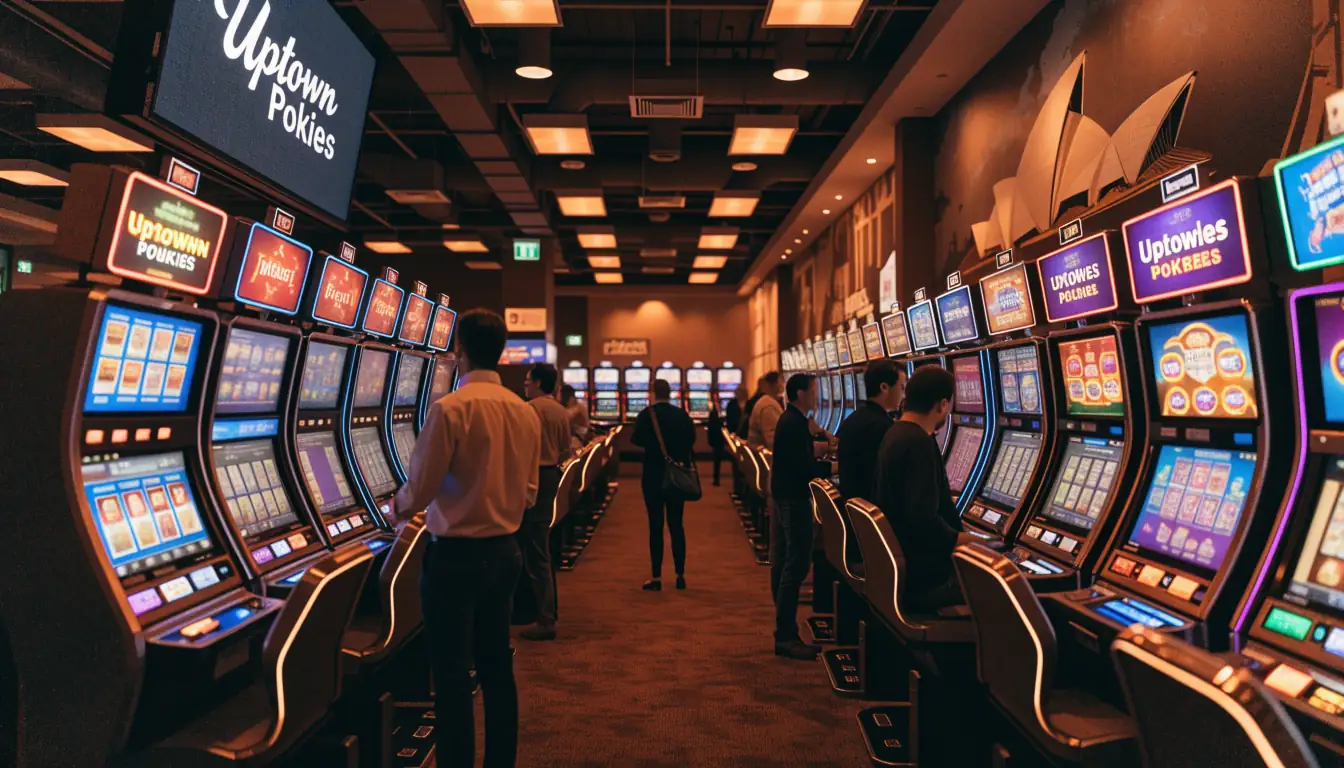
This state-by-state structure is also why bodies like the ACT Gambling and Racing Commission and the Office of Liquor and Gaming Regulation exist as separate regulators rather than a single national gambling authority handling every jurisdiction. Each regulator sets and enforces the rules for machines within its own borders, which means the experience of playing a pokie — the exact machine limits, the venue conditions, the specific compliance regime a venue operates under — is not uniform across the country, even if the machines themselves look and play almost identically from state to state.
That fragmentation matters for anyone trying to generalise about "the rules" for pokies in Australia: there isn’t one rulebook, there are several, running in parallel, unified mainly by the fact that electronic gaming machines are legal, licensed, and heavily present in every state and territory. What is uniform, at least in broad strokes, is the scale of the money involved and the reasons regulators keep a close eye on where that money moves — themes that carry through the rest of this piece as the discussion shifts from the physical machines described here to their online counterparts, and to the specific compliance obligations operators face.
What this means going into the rest of this piece
Pokies, in the Australian sense, are physical, licensed, cash-heavy machines embedded in the everyday geography of pubs, clubs, and casinos across every state and territory. They generate turnover in the tens of billions of dollars annually, extract a substantial and measurable loss from players each year, and represent a share of the world’s poker machine supply large enough to be notable under either of the competing estimates — 3% or roughly 18% — even though those two figures can’t be reconciled into one.
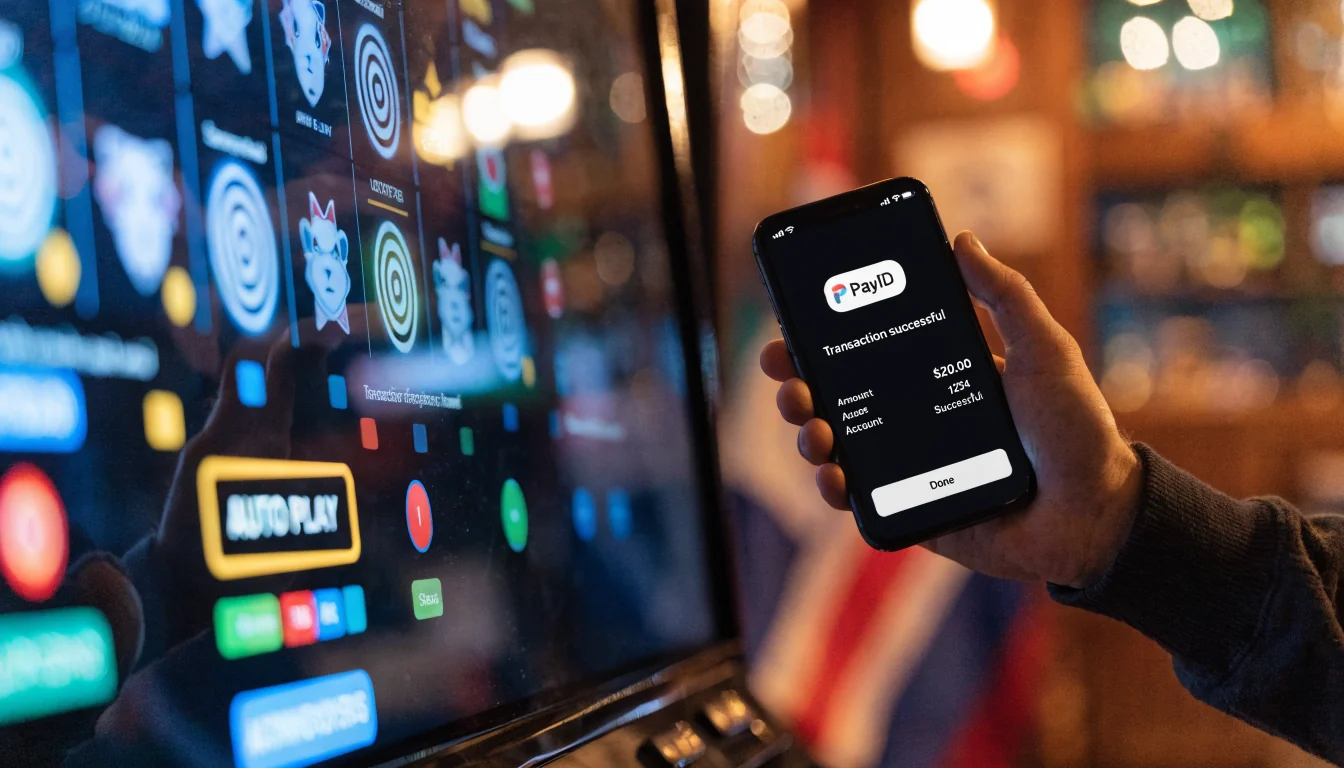
That scale, combined with the volume of cash the machines handle, is precisely why compliance frameworks around pokies have become more detailed in recent years, and why the shift toward cashless, account-based systems is being pushed as a way of closing the traceability gap that cash-based machines leave open. It’s also precisely why the word "pokies" needs to be handled carefully once the conversation moves online — because a name that has meant a specific, licensed, physical machine for decades is now also used to market something else entirely, under a completely different legal status in Australia. That’s the subject of the next section.
Online Pokies and the Legal Landscape
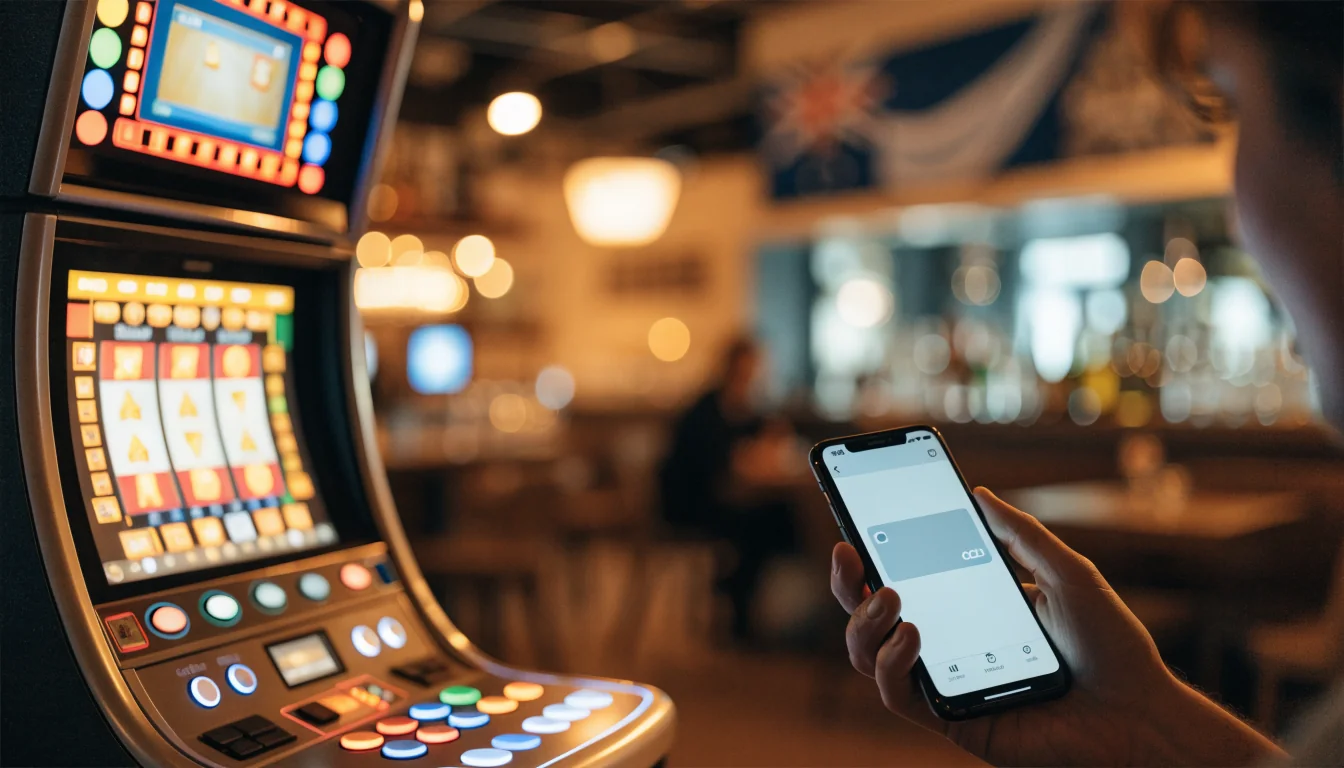
Searching for names like Golden Crown, Golden Century, Golden Strike, Golden Goddess, Golden Egypt or Golden Jaguar online turns up plenty of sites promising exactly that experience from home. What none of them can legally offer to someone in Australia is real-money slot play through an Australian licence — because that licence does not exist.
What the Interactive Gambling Act actually does
The Interactive Gambling Act 2001 is the piece of Commonwealth legislation that governs this. It makes it an offence for an operator to offer real-money online gambling to Australian residents. The law is written to catch the business on the other end of the transaction, not the person placing the bet — a distinction worth holding onto, because it explains why offshore-branded pokies sites keep appearing in search results without anyone getting prosecuted for typing in a credit card number. The site offering the game is the one breaking the law; the player isn’t.
That doesn’t make the arrangement safe, only legal to stumble into. An operator running outside Australian oversight isn’t required to meet any of the standards a licensed local business would have to meet, because there is no domestic licence covering online casino-style pokies for it to hold in the first place.
Illegal online gambling
Offering real‑money pokies to Australian residents breaches the Interactive Gambling Act.
Land-based machines run on a different set of rules
Pokies in pubs, clubs and casinos sit under a completely separate framework — state and territory gaming law, not the Interactive Gambling Act. Taxation reflects that split. How a venue’s machines are taxed depends on which state it’s in and what kind of gambling service is involved; there’s no single national rate applied the same way everywhere. What is consistent is the treatment of the player: winnings aren’t taxed in Australia, whether the win came from a club pokie or, hypothetically, an online spin. The tax exposure, where it exists, sits with the operator, not the person collecting the payout.
Compliance obligations scale with size
For land-based venues, the regulatory load isn’t flat across the board — it depends on how many machines a venue runs. Once an operator crosses 15 pokies, the obligations expand considerably. Larger operators are required to:
- Appoint a dedicated compliance officer.
- Conduct formal risk assessments of their operations.
- Implement AML/CFT (anti-money laundering and countering the financing of terrorism) programs.
- Perform customer due diligence checks.
- Report cash transactions above AUD 10,000.
None of this is optional paperwork. Falling short of it carries consequences that escalate with the severity of the breach — remedial directions in milder cases, infringement notices and civil fines where the failure is more serious, and reputational damage that tends to outlast any fine. This layer of obligation exists precisely because it’s the part offshore online operators sit outside of; there’s no equivalent regulator checking their books.
What this means in practice
None of the above changes the basic fact: there is no Australian licence for online casino games, pokies included, and no regulator here vetting the sites that use "Golden" branding to market themselves to Australian players. Land-based pokies, whatever their compliance burden, at least sit inside a system with a named regulator, defined reporting thresholds and enforceable penalties. Offshore online versions of the same games sit outside that system entirely — which is a different kind of risk from the ones covered next.
Real‑Money Golden Pokies: Risks and Realities
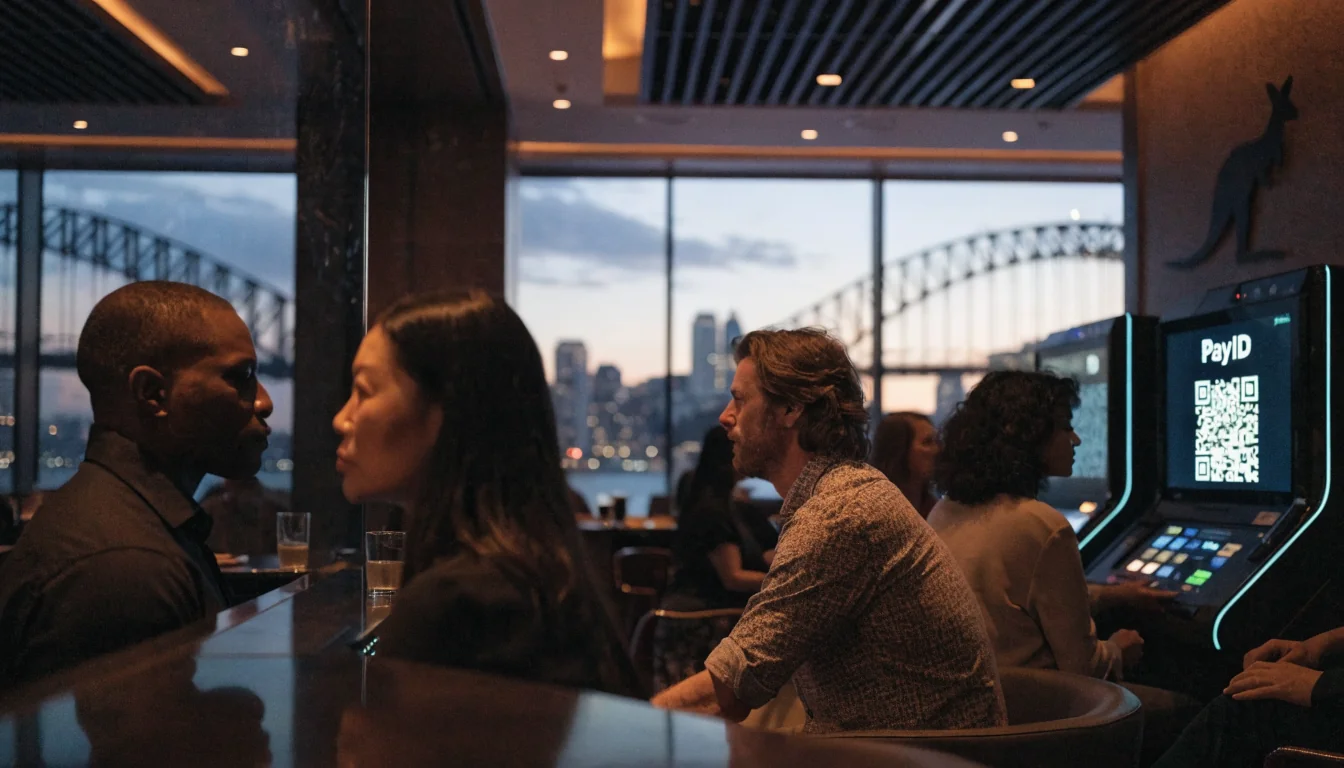
Search for golden century pokies online or any of its themed siblings — golden goddess, golden egypt, golden jaguar, golden jungle, golden wolves — and you’ll find plenty of sites offering to let you play for real money. As covered in the previous section, no such offer can be legal if it’s aimed at players in Australia. But it’s worth looking at why the underlying product, real-money pokies generally, carries risks that go beyond the question of licensing.
What losing actually looks like
Pokies don’t fail quietly. In the 2020‑2021 financial year, Australians lost about AUD 12 billion to electronic gaming machines. Spread across the population, that works out to AUD 608 per person — not per gambler, per person, counting everyone from newborns to retirees who never touch a machine. That per‑capita figure is a blunt way of showing how concentrated the losses must be among people who do play, since most of the country doesn’t sit down at a pokie in any given year.
AUD 12 billion player loss in FY 2020‑2021 translates to about AUD 608 per adult, highlighting the scale of financial impact.
Golden-branded titles are marketed like any other pokie: bright themes, big jackpot promises, familiar mechanics. None of that changes the math underneath. The machine is built to return less than it takes in over time, and the losses reported above are the aggregate result of exactly that mechanic playing out across millions of sessions.
Why cash-heavy machines attract more than just gamblers
Pokies take large volumes of cash with comparatively little traceability, and that combination makes them useful for purposes that have nothing to do with entertainment. According to complyadvantage.com, money mules — people recruited specifically to move illicit funds through legitimate-looking channels — are used to launder money through pokies. The mechanism is simple enough: cash goes into a machine, minimal genuine play happens, and the payout comes back out looking like gambling winnings rather than what it actually was.
This isn’t a reason to suspect every player at a machine, but it is a reason regulators watch pokies more closely than a casual visitor might expect. A machine that accepts cash, pays cash, and doesn’t require much interaction to cycle funds through is structurally different from most other payment channels — which is exactly why it draws attention from bodies trying to track illicit money.
What this means for real-money play specifically
None of this is a reason golden-themed pokies are riskier than other pokies — the branding is cosmetic. But anyone weighing "real money" against "free play" versions of these games should treat the real-money losses as the norm, not the exception, and understand that the cash-based structure of pokies is part of why the sector faces heavier compliance scrutiny than it might otherwise. The next section looks at how that scrutiny is written into law for operators, including the specific obligations tied to bonus and deposit offers.
Bonus Codes and Deposit Offers: What You Need to Know
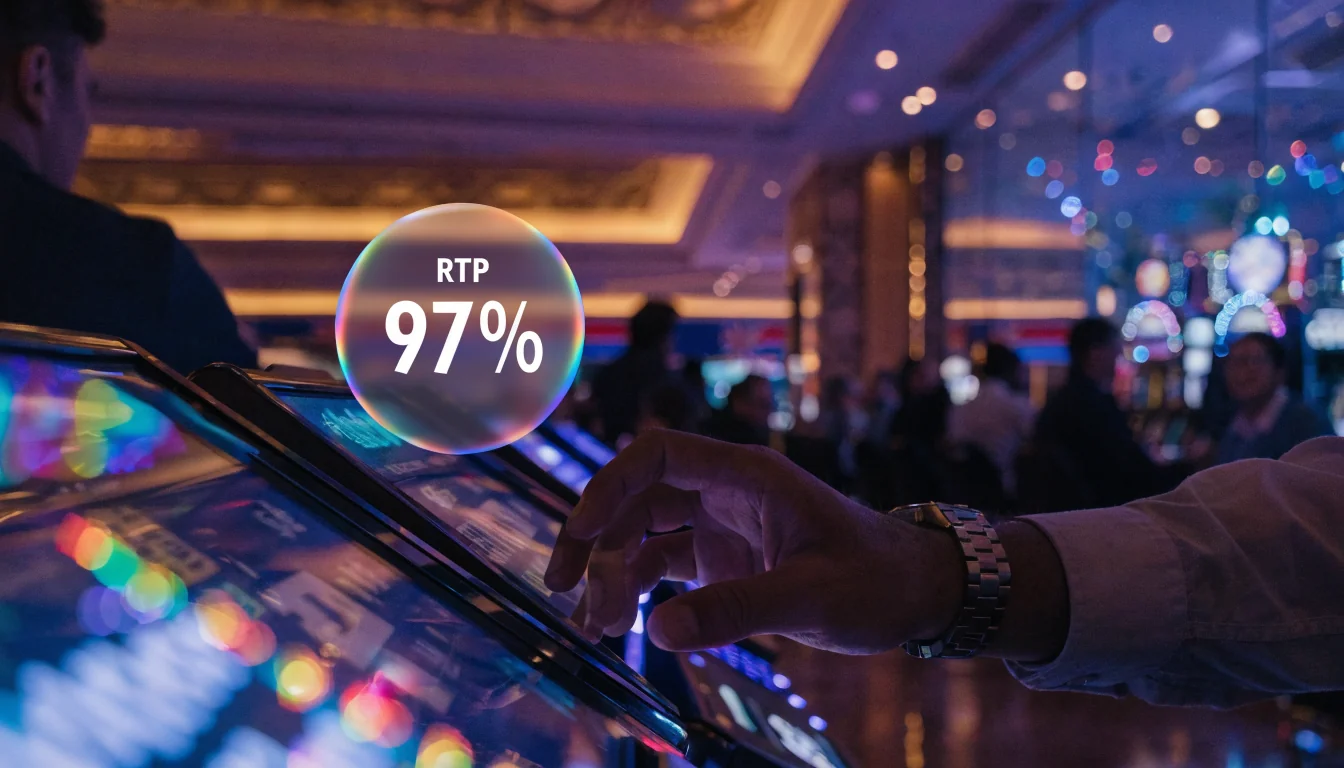
Search for a Golden Pokies no deposit bonus code, free chips offer, or sign-up bonus and you’ll find plenty of pages promising one. What none of them can legally deliver to an Australian resident is real-money play through an online casino: that offer sits outside the law described earlier in this piece, regardless of what a bonus code claims to unlock.
That doesn’t mean bonus and deposit offers exist in a regulatory vacuum where they are permitted. It means the compliance burden on whoever issues them is substantial, and largely invisible to the person typing a code into a form.
Operators running more than 15 pokies are required to appoint a compliance officer, carry out risk assessments, and run AML/CFT (anti-money laundering and countering the financing of terrorism) programs. Customer due diligence isn’t optional at this scale, and any cash transaction above AUD 10,000 has to be reported. A bonus or deposit code doesn’t sit outside these obligations — it’s a transaction like any other, and one that touches identity verification, deposit tracking, and reporting thresholds all at once.
Non-compliance doesn’t just risk a slap on the wrist. Operators found short of these requirements can face remedial directions, infringement notices, and civil fines, on top of the reputational damage that follows once a breach becomes public. None of that is abstract for a market where every deposit and every bonus claim leaves a paper trail regulators are obliged to check.
The practical takeaway is blunt: no deposit bonus codes, free chips, and sign-up offers advertised for Golden Pokies-style products are not a loophole around Australian law, and no compliance framework changes the underlying restriction on real-money online casino play for residents. Anyone offering otherwise is skipping past the part of the story that actually matters.
Why are transparent pokies systems important for AML?
Cashless, account-based pokies improve traceability and reduce anonymity, which helps disrupt common laundering tactics like structuring deposits across venues or buying winning tickets from other players.
What are the technical infrastructure considerations for casino platforms?
The core mechanical setup of a pokie accepts cash or credit, runs a randomised game, and pays out according to a programmed return rate without requiring staff involvement, while online versions sit under entirely different legal regimes despite looking identical on screen.
What is the proposed timeline for implementing a cashless gambling system in NSW?
The 2022 NSW Islington Report recommended making all NSW pokies cashless by the end of 2028.
Written by the editors at Casino Jackpots Guide.