Best Casino in Hobart 2026: Poker, Stays and Amenities
 Available in US
Table of Contents
- Poker Options at Hobart Casinos
- Accommodation Near Hobart Casinos
- Hotel Rooms and Stays Connected to Hobart Casinos
- Parking and Accessibility for Casino Visitors
- Contact Details, Customer Service and On‑Site Amenities
- Dining, Buffets and Employment Opportunities
- Opening Hours, Events and Entertainment at Hobart Casinos
- Spa Services and Wellness Offerings
- Restaurant Choices Within and Around the Casino
- Food Courts and Pool Areas – What to Expect
Poker Options at Hobart Casinos
Poker occupies a strange middle ground in Tasmania’s gambling scene. Unlike pokies, which run on fixed algorithms and don’t care who’s sitting in front of them, a poker room lives or dies on the quality of the players filling its seats. That’s the first thing to understand if you’re heading to a physical venue rather than searching for something online: what’s on offer here depends heavily on the night, the crowd, and whether there’s a tournament scheduled that’s drawing regulars away from their usual cash tables.
A poker room at a land-based casino in Hobart typically runs on a rotation of cash games and scheduled tournaments rather than a static timetable. Cash games — where you buy in with real chips and can leave whenever you like — tend to fill up on weekend evenings, when there’s enough foot traffic to keep two or three tables going at once on a quiet Tuesday. Tournaments, by contrast, have set start times, structured blind levels, and a field that thins out as the night goes on. If you’re planning a visit specifically for poker, it’s worth checking ahead whether a tournament is running that evening, since a full tournament schedule can absorb most of the room’s regular players and leave the cash tables thin.
Since Hobart doesn’t have a land-based casino covering every taste, many players compare online platforms instead — and what matters most is the welcome offer, how fast you can get paid, and the minimum you need to put down to get started.
Bonus: up to A$7,500 + 550 free spins across 10 deposits, 50x wagering · Payout speed: crypto under 1 hour, PayID 1-3 business days · Min. deposit: A$20 (A$30 to qualify for the bonus) You get a sizeable multi-deposit bonus spread across ten deposits plus a large batch of free spins, and withdrawals are quick if you use crypto, with PayID as a slower fiat alternative. A A$20 minimum deposit keeps entry accessible, though you’ll need to deposit a bit more to unlock the bonus itself.
License: Curacao Gaming Control Board OGL/2023/176/0095 (Hollycorn N.V.) · Bonus: up to A$11,000 + 300 free spins (code NEO100) Licensed under a Curacao Gaming Control Board authorisation held by Hollycorn N.V., this operator stands out for a high-value welcome bonus paired with free spins, unlocked via a specific bonus code.
Bonus: up to A$750 + 50 jackpot spins, 35x wagering · Payout speed: crypto ~90 minutes, fiat 1-5 days · Min. deposit: A$30 A solid welcome package that includes jackpot-specific free spins alongside the deposit match, with fast crypto payouts and a modest minimum deposit for those who want quick access.
License: Curacao, operated by Dama N.V. · Bonus: 325% up to 5.25 BTC + 250 free spins across 4 deposits Operated by Dama N.V. under a Curacao licence, this one is notable for a large percentage-based bonus denominated in Bitcoin, spread over multiple deposits with free spins included.
License: Curacao Gaming Control Board · Bonus: up to A$5,000 + 400 free spins Holding a Curacao Gaming Control Board licence, this operator offers a generous bonus amount combined with a substantial number of free spins for new players.
Bonus: 100% up to A$750 + 200 free spins, 35x wagering · Payout speed: crypto 30-120 minutes, fiat 24-72 hours · Min. deposit: A$30 The welcome bonus comes with a good number of free spins, and payouts are notably fast for crypto users, with fiat withdrawals still processed within a few days; the minimum deposit is moderate.
License: Curacao Gaming Control Board OGL/2023/176/0095 (Hollycorn N.V.) · Bonus: 100% up to A$10,000 + 100 free spins Licensed via the Curacao Gaming Control Board framework under Hollycorn N.V., this operator offers one of the higher bonus ceilings on this list along with a free spins package.
License: Curacao – Antillephone N.V. (Versus Odds B.V.) · Bonus: up to EUR 2,000 across 5 deposits + 200 free spins · Min. deposit: EUR 20 Backed by a Curacao licence through Versus Odds B.V. (Antillephone N.V.), the bonus here is structured across several deposits and includes free spins, with a low minimum deposit requirement.
License: Curacao · Bonus: 100% up to A$500 + 200 free spins, 10x wagering · Payout speed: crypto 30-60 minutes, fiat 1-5 days · Min. deposit: A$10 This operator combines a bonus with free spins and a notably low wagering requirement, plus fast crypto payout times and one of the lowest minimum deposits around.
License: Curacao OGL/2024/1335/0780 · Bonus: up to A$1,000 + 150 free spins, wager-free · Min. deposit: EUR 20 Licensed in Curacao, the standout feature here is a wager-free bonus structure combined with free spins, making the terms easier to work with for newcomers.
What makes poker different from the rest of the floor
The gap between poker and everything else on a casino floor isn’t just about skill versus luck — it’s about who you’re actually playing against. On a pokie or at a roulette wheel, you’re playing against the house, and the odds are fixed regardless of who else is in the room. At a poker table, you’re playing against other patrons, and the house simply takes a cut of the pot or charges table time. That structural difference is why poker rooms often feel different in tone: quieter, more deliberate, with players studying each other rather than watching a screen spin.
This also means the experience varies more than table games do. A poker room with a strong local following on a Friday night plays very differently from the same room at midday on a Wednesday, when you might find a single low-stakes table running with a handful of regulars killing time. If you’re new to a venue, it’s reasonable to call ahead or check the day’s schedule rather than assume a full slate of games will be waiting.
Tournaments versus cash games
The two formats suit different kinds of visitors, and it’s worth being clear-eyed about which one matches what you actually want out of an evening.
- Cash games suit people who want flexibility — you can sit down, play a short session, and leave without waiting for a structured event to finish. Stakes and table availability shift depending on the night.
- Tournaments suit people looking for a set event with a defined start and a prize pool built from entry fees. They demand more time commitment, since you’re generally in until you’re eliminated or the tournament ends.
- Neither format changes the age requirement: anyone sitting at a poker table, cash or tournament, needs to be at least 18 years old, and venues check ID at buy-in as a matter of course.
Given how widely Australians engage with gambling generally — 72.8% of adults gambled in some form over a recent 12-month period, and 38% did so at least weekly — it’s not surprising that poker rooms see a steady, if fluctuating, stream of regulars rather than only occasional visitors. That regularity is part of what keeps cash games viable on weeknights even when tournament turnout is unpredictable.
What to check before you go
A few practical points matter more for poker than for other casino games, mostly because poker room activity is less predictable than a bank of pokies that runs the same way every day:
- Tournament schedules change. A weekly tournament might be moved, cancelled, or replaced depending on turnout from previous weeks, so treat any listed schedule as a starting point rather than a guarantee.
- Table minimums vary by session. Cash game stakes at a given table can differ significantly between a quiet afternoon and a busy Saturday night.
- ID checks are non-negotiable. Since the legal minimum age to take part in any casino offer, including a seat at a poker table, is 18, expect to show identification before you’re allowed to buy in, even if you look well past that age.
None of this makes Hobart’s poker rooms unusual by Australian standards — the same push and pull between scheduled tournaments and ad hoc cash games plays out at land-based casinos across the country. What sets the experience apart from other gaming options in the same building is simply the social element: you’re reading opponents, not odds, and the room’s character on any given night depends on who else decided to show up.
Accommodation Near Hobart Casinos
Choosing where to sleep matters more than most visitors expect when a trip to Hobart is built around a night on the gaming floor. The city’s casino precinct sits along the Derwent River, and the lodging options within a short walk range from serviced apartments to boutique hotels, with plenty of mid-range choices in between for people who’d rather spend their money at the tables than on a taxi fare.
What’s actually within walking distance
Properties close to the casino tend to fall into three groups:
- Apartment-style stays — self-contained units aimed at longer visits, often booked by interstate visitors combining a casino trip with a broader look at Hobart.
- Independent hotels — smaller properties along the waterfront strip, generally quieter and priced for travellers who want proximity without resort-style extras.
- Serviced suites — a step up in size and amenity, popular with couples or small groups who want a base rather than just a room.
None of these require a car once you’ve checked in. The casino itself, along with the river frontage and nearby dining strip, is reachable on foot from most of this cluster, which is the main reason people choose it over cheaper options further into the CBD.
Why proximity actually matters here
Australians collectively placed $244.3 billion in bets in 2022–23, and losses across the same period reached $31.5 billion — figures that reflect a national pattern of frequent, casual gambling rather than occasional big nights out. On a per-person basis, bets averaged AUD 9,885 in FY 2020–21, with losses of AUD 1,200. Those numbers matter for anyone planning a casino stay: a short walk back to your room, rather than a drive, removes one obvious risk factor after a long session on the floor, and it’s a practical reason — not just a comfort one — to prioritise nearby accommodation over a cheaper room across town.
Booking patterns worth knowing
Demand near the casino tends to spike around weekends and any period with scheduled entertainment or events (covered in more detail elsewhere on this page), so rooms in the immediate walking radius book out faster than the wider CBD market. Travellers planning a visit around a specific date are better off locking in accommodation before finalising other plans, rather than the reverse.
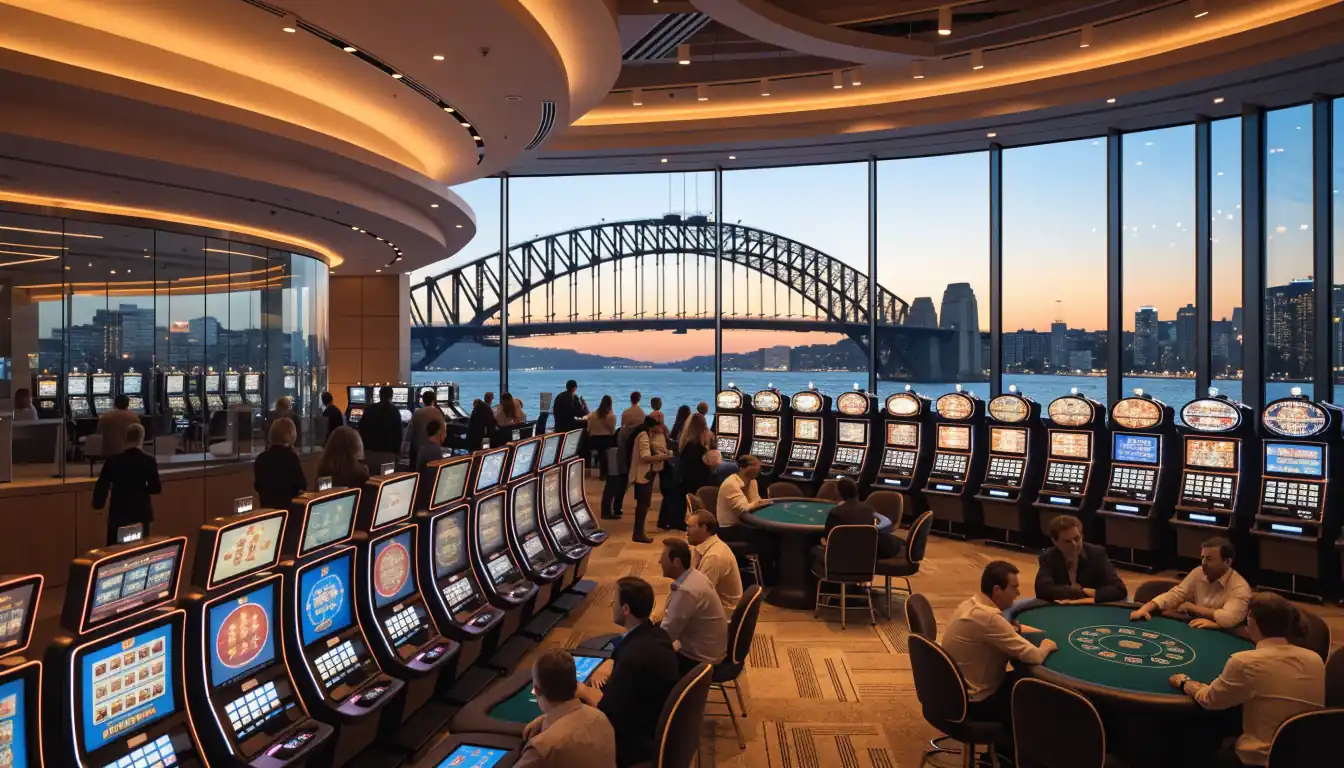
Rates also vary more than the physical distance would suggest. A unit two streets back from the river can cost noticeably less than one directly facing the casino entrance, without much difference in walking time. It’s worth comparing a few options rather than defaulting to whichever property appears first in a hotel search — the premium for a river view isn’t always matched by a shorter walk.
Practical considerations for casino-focused stays
- Noise and hours — properties directly adjacent to the entertainment strip can be busier late at night; if you’re planning an early exit from the floor, a room a block or two further out may suit better.
- Group bookings — apartment-style accommodation generally handles groups more comfortably than standard hotel rooms, an advantage for parties splitting a trip between gaming and general sightseeing.
- Length of stay — short overnight visits are well served by hotel rooms near the entrance; multi-night trips tend to suit serviced apartments with kitchen facilities, if only to avoid every meal being an added cost on top of gaming losses.
Accommodation within walking distance of the casino isn’t simply a matter of convenience — it’s the difference between treating a night out as a contained, budgeted activity and letting logistics (a late drive home, a costly last-minute booking) add friction and cost that has nothing to do with the tables themselves.
Hotel Rooms and Stays Connected to Hobart Casinos
A room booked directly through a casino property is a different product from a room booked at an independent hotel that happens to sit nearby. The distinction matters if you’re deciding where to sleep during a trip built around the gaming floor.
What a casino-affiliated stay actually includes
Hotels attached to or owned by a casino typically bundle room rates with floor access, meaning you can move between your room and the gaming areas without leaving the building. That’s the main structural difference from a standalone city hotel: proximity is built into the property itself rather than requiring a walk or a taxi. Package rates at these properties often fold in extras tied to the casino’s own loyalty or players’ club schemes, which independent hotels have no reason to offer since they have no gaming floor to route you back to.
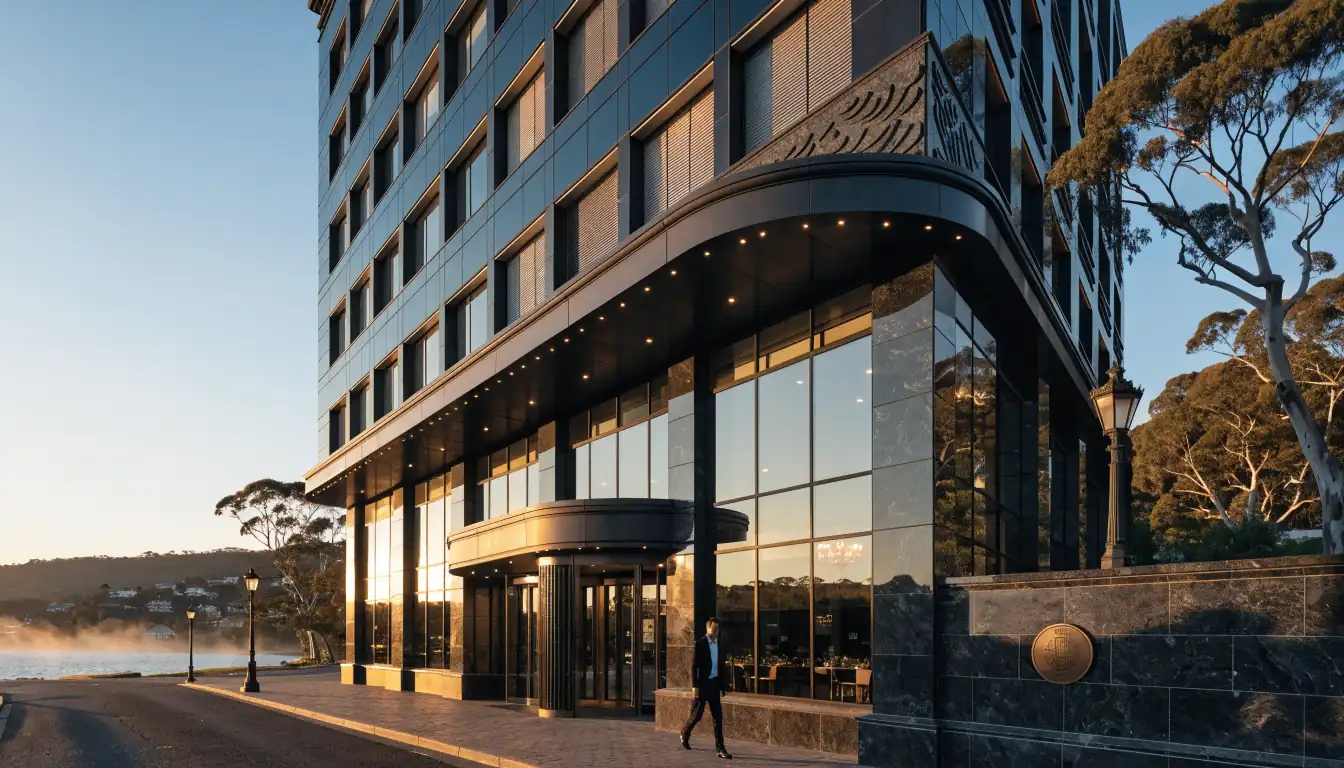
Room packages at these venues tend to be priced around occupancy patterns tied to events and peak visitation, so rates shift accordingly. What the casino’s own hotel can offer that a nearby chain hotel can’t is a direct line from checkout to the gaming floor — no external booking, no separate check-in process, no coordination between two unrelated businesses.
The tax point people ask about
A common question from visitors weighing a casino stay is what happens if they win while they’re there. The answer is straightforward and applies regardless of where you’re staying: gambling winnings are not taxed in Australia. This isn’t a benefit specific to casino hotels — it’s a feature of the tax system itself, and it holds whether you win at a table inside the hotel or anywhere else with a legal gaming licence. It’s worth knowing precisely because online material sometimes implies otherwise, and because it removes one layer of paperwork from an already involved trip.
Separately, gambling revenue is a meaningful contributor to state and territory coffers — it made up 7.7% of state and territory taxation revenue in 2015–16 — which is part of why these venues remain fixtures of city tourism rather than incidental businesses. None of that revenue structure affects what you pay for a room or what you keep if you win; it’s a state-level detail, not something that touches your bill.
Weighing the trade-off
Staying inside or attached to the casino buys convenience, not necessarily a better rate than a comparable hotel a few streets away. Before booking, it’s worth checking whether the package price reflects genuine extras — late checkout, a dining credit, floor access outside standard hours — or whether it’s simply proximity dressed up as a package.
It’s also worth being honest about who this convenience suits. For most visitors it just means less walking. For a small minority — Australian estimates put significant gambling problems at somewhere between 80,000 and 160,000 adults — staying literally inside the venue removes the natural pause that a short walk or a taxi ride would otherwise provide. If gambling stops being something you control, GambleAware and BetStop’s self-exclusion registry are available regardless of where you’re staying, and neither convenience nor a good room rate changes that calculation.
If your priority is genuinely getting value from a stay near the gaming floor, compare the casino’s own package terms against what a nearby independent hotel charges for the same nights — the difference isn’t always as large as the marketing suggests.
Parking and Accessibility for Casino Visitors
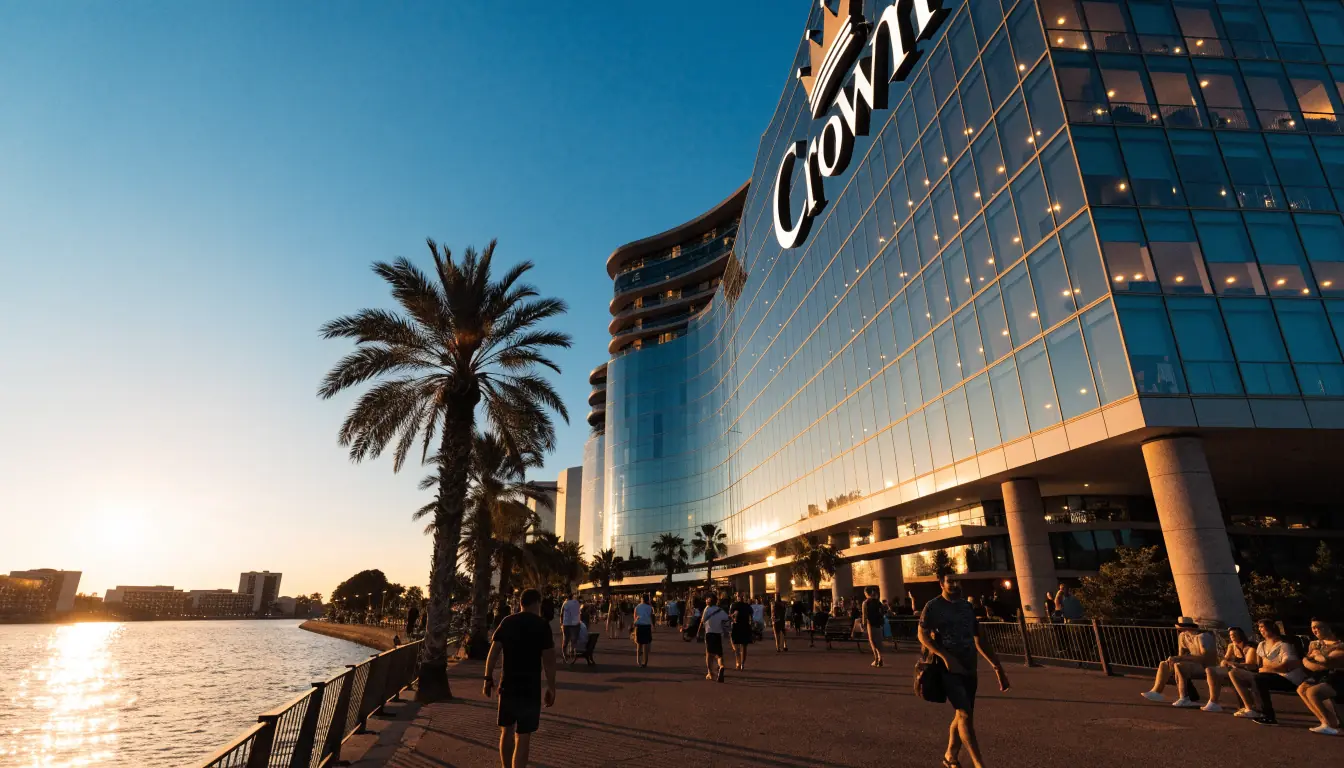
Getting to a casino on foot or by car in Hobart is rarely the problem — the state’s physical venue has on-site parking and step-free access built in, which is more than can be said for a lot of the older pubs and clubs scattered around the city that host pokies. If your criterion for the best casino in Hobart 2026 includes not circling the block twice looking for a park, the physical gaming floor still wins on convenience over anything you’d find in a suburban gaming lounge.
What’s actually available on site
Car parking at the casino complex is set up for a mix of quick visits and overnight stays, with spaces close enough to the entrance that you’re not trekking across an open lot in the rain — a genuine consideration in Hobart, where the weather turns without much warning. Whether a given rate applies, or whether parking is free at particular times, isn’t something published consistently anywhere, so it’s worth checking directly with the venue rather than assuming either way.
Valet service is offered for guests staying at the attached hotel or attending events, saving you the walk from a parking structure with luggage or after a late dinner. It’s a genuine point of difference from most Hobart attractions, where valet simply doesn’t exist as an option.
Accessibility features
The casino building was designed with accessibility in mind rather than retrofitted for it, which shows in details many older venues in Hobart still lack:
- Step-free entry from the car park and street level into the gaming floor
- Accessible parking bays positioned near the main entrance
- Lifts connecting all public floors, including dining and event spaces
- Accessible restrooms on each level open to the public
- Staff trained to assist visitors with mobility needs, though the specifics of that assistance are best confirmed directly rather than assumed
None of this is unusual for a purpose-built casino resort, but it stands out against the mixed accessibility of Hobart’s older hospitality venues, many of which occupy heritage buildings with narrow doorways, stairs, and no lift access at all.
Why this matters more than it might seem
Accessibility and parking don’t show up in most casino comparisons, which tend to focus on the games or the bonuses. But if you’re travelling from outside Hobart, or bringing family members with mobility needs, these details decide whether a visit is pleasant or a logistical headache before you’ve even sat down at a table. It’s a practical, unglamorous reason the physical venue holds up well against smaller local competitors — clubs and pubs with pokies that were never built with a car park or a lift in mind.
A note on what this doesn’t cover
None of this has anything to do with playing online. There’s no domestically licensed real-money online casino operating in Australia, and no version of "hobart online casino" exists as a lawful, locally regulated product — parking and accessibility are purely a physical-venue consideration, relevant only if you’re actually walking through the door. Anyone searching for an online equivalent to the casino floor should know that comparison doesn’t hold: what you get on site — verified access, staff support, a building designed for it — has no real online counterpart under current Australian law.
Check the casino’s parking rates and valet availability directly with the venue, as they can vary by time of day and event schedule.
If accessibility or parking specifics matter to your visit — accessible bay availability, lift locations, or whether valet applies outside event nights — contacting the venue directly before you travel is the more reliable path than relying on general assumptions about what a casino "usually" offers.
Contact Details, Customer Service and On‑Site Amenities
Getting a straight answer out of a casino switchboard is not always as simple as it should be. Hobart’s venues route general enquiries through a main reception line, and how quickly that call gets you to someone who can actually help — rather than a hold queue — is one of the more telling differences between properties. Before dialling in, it’s worth knowing what you’re asking for: table game floor hours, function bookings, or account-related questions are usually handled by separate teams, and asking the wrong desk wastes time on both ends.
Email remains the more reliable channel for anything that needs a paper trail — booking confirmations, complaint follow-ups, or requests for accessibility arrangements. Response times vary by department, and event or hospitality bookings tend to get quicker turnaround than general feedback inboxes, simply because they’re commercially prioritised.
What differs between venues
The consumer-facing information is broadly similar across Hobart casinos: a reception number, an events line, and a customer relations contact for complaints. Where they differ is in how transparent that support is once you’re past the front desk. A venue that publishes clear escalation steps for a dispute — who to contact next if the first answer doesn’t satisfy you — is doing more for the customer than one that simply lists a phone number and leaves it there. That distinction matters more than which casino has the fancier lobby.
Anyone contacting a casino about account access, membership, or promotional offers should expect an age check as a matter of course. Access to casino offers and loyalty programs is restricted to those 18 and over, and staff will ask for identification if there’s any doubt — this applies to phone and email enquiries just as much as to walk-ins.
On-site amenities
Beyond the gaming floor, Hobart casinos operate as small hospitality complexes in their own right. Expect:
- Bars — typically positioned within sight of the main gaming areas, serving through the evening rather than closing early.
- Event and function spaces — used for private bookings, corporate functions, and occasional live entertainment, bookable through a dedicated events contact rather than general reception.
- Lounge areas — quieter spaces away from machine noise, often tied to loyalty tiers or reserved for table game patrons.
None of these amenities require a gambling transaction to use — the bar and lounge areas are generally open to anyone on the premises, though some function spaces are booking-only.
A note on where money changes hands
Nothing about the customer service line or the amenities on offer changes the underlying legal position: these are physical, licensed venues, and Australian law draws a sharp line between that kind of gambling and anything conducted online. Casino staff can tell you about table limits, function room capacity, or bar opening times, but they are not a source of information on online gambling products, since Australian law does not license online casino games for residents. If a query drifts into that territory, don’t expect the venue’s contact channels to offer guidance beyond redirecting you elsewhere.
For anyone testing a venue’s service quality firsthand — checking response times, verifying identity requirements, or confirming how deposits and withdrawals are handled at the cage — a reasonable benchmark is a deposit of at least A$300, tracked through to a completed withdrawal, since smaller transactions don’t always surface the delays or friction that larger ones do.
Dining, Buffets and Employment Opportunities
A casino resort in Hobart lives or dies on more than its gaming floor, and the dining side of the operation is where a lot of visitors actually spend their morning, lunch and late-night hours. Breakfast service tends to be the anchor: a buffet spread that runs from the standard cooked plates through to lighter continental options, aimed as much at overnight guests heading into a day of sightseeing as at anyone who’s been at the tables since the night before. It’s worth checking service times directly with the venue rather than assuming a single fixed window applies year-round, since buffet hours are one of the details that shifts more often than the rest of the resort’s offering.
Beyond breakfast, the buffet format usually extends into lunch and dinner sittings, with rotating themes that give repeat visitors a reason to come back rather than eat the same spread twice in a week. This is distinct from the sit-down restaurant options covered elsewhere on this page — the buffet is about volume and variety, not a curated tasting menu, and it’s priced and paced accordingly. If you’re staying at the resort as part of a longer visit, the buffet is generally the most economical way to eat without leaving the building.
Working at a Hobart casino resort
Casino resorts of this size are among the larger employers in Hobart’s hospitality sector, and the range of roles reflects how many different operations run under one roof. Positions typically span:
- Gaming floor staff — dealers, pit supervisors and related table-game roles
- Food and beverage — kitchen staff, buffet servers, bar staff and restaurant floor teams
- Front-of-house and guest services — reception, concierge and events staff
- Back-of-house — housekeeping, maintenance and administrative roles
- Security and surveillance
Applicants should expect the same baseline requirement that applies across the Australian gambling industry: anyone working directly in gaming operations needs to meet the legal minimum age for casino work and gambling-related roles, which aligns with the general minimum gambling age of 18 in Australia. Beyond that, specific qualifications and licensing requirements vary by role — dealers, for instance, typically go through in-house training programs rather than arriving pre-qualified.
It’s worth being clear about one adjacent point, since it comes up often in searches about casino work and casino "offers" more broadly: none of this employment or dining activity has anything to do with online gambling. Online sports betting is legal in Australia and runs under state and territory licensing, but online casino games, poker and in-play betting are prohibited nationally under the Interactive Gambling Act 2001. There are no domestically licensed online casino operators in Australia — the entire real-money online casino category sits outside the law here. A physical resort’s restaurants, buffets and job openings are a completely separate matter from anything offered online under a "casino" banner, and the two shouldn’t be confused when researching either one.
Gambling Risk
Spending extended time inside a casino can increase the likelihood of developing problem gambling habits; consider setting personal limits and using self‑exclusion tools if needed.
For anyone specifically chasing employment leads, checking the resort’s own careers listings directly is more reliable than third-party job boards, which don’t always reflect current vacancies across the kitchen, floor and administrative teams.
Opening Hours, Events and Entertainment at Hobart Casinos
A physical casino floor operates under state licensing, with set hours that a venue publishes and is required to follow — unlike the online space, where no such licensed footing exists in Australia at all. Before checking anything about a specific venue’s calendar, it’s worth being clear about that distinction, because a lot of what circulates online about "Hobart casino" activity actually concerns platforms that have no legal standing to serve Australian residents in the first place.
Why the legal picture matters here
There is no single national authority that licenses or oversees gambling in Australia — rules split between state and federal levels, and Tasmania’s land-based venue sits under state rules while anything online falls under separate, and stricter, federal law. It is illegal to offer online casino gambling to Australian residents, and no domestic licence for that purpose can be issued, which is why a physical venue’s published hours, floor events and entertainment schedule are the only reliable version of "what’s on" — there’s no legitimate online equivalent running in parallel.
This also shapes what a venue can and can’t promote as entertainment. Live, in-play betting placed online is illegal in Australia, though placing a live bet by phone remains lawful — a distinction that matters if a casino’s entertainment program includes racing or sports-viewing lounges alongside table games. Anything framed as an in-house "live betting app" tied to the casino floor should be read with that restriction in mind.
What to expect from the schedule
Venue opening hours typically extend across the full week, with table games, pokies and entertainment areas running on a set daily rhythm rather than limited sessions. Special events — themed nights, live music, seasonal promotions — are usually layered on top of standard floor hours rather than replacing them, and they tend to cluster around weekends when foot traffic is highest.
Entertainment offerings at a casino of this kind generally split into a few categories:
- Live music and performance nights — scheduled acts in bar or lounge areas, separate from the gaming floor itself.
- Themed or seasonal events — tied to holidays or promotional periods, often the busiest nights of the calendar.
- Sports and racing viewing areas — spaces for watching events, distinct from any online wagering, given the restrictions on in-play betting placed digitally.
None of this changes the underlying rule: whatever entertainment or event calendar a Hobart casino runs, it operates within a state-licensed, physical framework. Anyone searching for a way to access equivalent games or live betting through an app or website should know that no such legally licensed option exists for Australian residents — the entertainment described here belongs to the venue itself, not to any online extension of it.
Spa Services and Wellness Offerings
A casino floor runs on noise and light with no natural rest point built in. The spa areas attached to Hobart’s gaming venues exist as a deliberate counterweight to that — a separate wing where the pace drops and the transaction is wellness rather than wagering.
What distinguishes these facilities from a standalone day spa in the city isn’t the treatment menu itself, which tends to cover the standard range of massage, facials and body treatments found anywhere. It’s the access model. Guests staying in casino-affiliated accommodation can often book spa time as part of a broader visit without leaving the property, which matters if you’re trying to balance a night on the tables with something that isn’t the tables. That said, this section deals strictly with the wellness side — details on the accommodation packages themselves, and how casino hotel stays differ from generic city bookings, are covered elsewhere on this page.
What to expect on arrival
Spa reception areas are typically kept physically and acoustically separate from the gaming floor. This isn’t incidental — venues that hold both gaming and hospitality licences generally design wellness spaces to feel like a distinct business, right down to separate entrances or lift access in larger properties. If you’re booking a treatment and also plan to play, ask at reception about the walking route between the two, since layouts vary by property and some require exiting through public areas.
Booking and packages
Treatment packages are usually bundled around a couple’s session, a half-day retreat, or a single standalone service. None of this differs meaningfully from spa offerings outside a casino context — the treatments aren’t casino-branded in substance, only in location. Where it’s worth paying attention is timing: wellness bookings at these venues can fill around major events or long weekends when the gaming floor is also busiest, so a same-day walk-in isn’t guaranteed.
Age and access
Spa services don’t carry the same age restriction as the gaming floor, but if the facility sits inside a licensed casino building, expect identification checks at the entrance regardless of whether you’re heading to the spa or the tables. This is a property-level access control rather than a treatment-specific rule, and it applies evenly across the site.
The honest comparison
If you’re drawn to a Hobart casino specifically for its spa, it’s worth setting expectations: the wellness offering is a genuine amenity, not a headline attraction. Dedicated day spas elsewhere in the city may offer a broader treatment list or more flexible scheduling. The casino spa’s real advantage is proximity — it’s there if you’re already staying or playing on-site, not a reason on its own to make the trip.
Restaurant Choices Within and Around the Casino
A casino’s dining strip tells you something about the venue itself: whether it’s built for people who stop for a quick meal between machines, or for people who’d book a table even if they never touched a card. Hobart’s casino precinct leans toward the second kind, with a spread that moves well past the standard steakhouse-and-snack-bar formula found at many regional venues.
Inside the complex, the range typically runs from a formal dining room — the kind with table service, a proper wine list, and a menu that changes with the season — down to a casual grill or bistro aimed at guests who want something solid without the ceremony. That split matters if you’re travelling with people who don’t gamble: one group can settle in for a two-hour dinner while another grabs something faster and heads back to the floor. It’s a more deliberate layout than a single all-purpose restaurant trying to serve every kind of visitor at once.
What sets a casino dining precinct apart from a normal high street isn’t just the food — it’s the hours. Kitchens tied to a gaming floor tend to run later than typical restaurants in the surrounding suburb, which suits the visitor who’s eating at 10pm rather than 7pm. Whether that stretches to genuinely late-night service is worth checking directly, since hours vary by venue and by night.
Beyond the casino’s own walls, Hobart’s waterfront and CBD add another layer worth walking to rather than skipping. Seafood venues along the harbour, smaller independent kitchens, and cafés within a short stroll of the complex give visitors a reason to leave the building between sessions — something not every casino town offers within easy reach. Pairing a night on the floor with a meal that has nothing to do with the casino at all is one of the more underrated parts of visiting Hobart specifically, rather than a casino resort in isolation.
None of this dining activity has anything to do with online play. It’s worth being direct about that distinction: Australian law prohibits offering online casino games — slots, blackjack, roulette, poker — to residents, under the Interactive Gambling Act. Sources differ on whether the relevant year is 1997 or 2001, but the restriction itself is consistent across both versions. A restaurant booking at a physical casino carries no such complication; it’s simply a meal, on-site or a short walk from it.
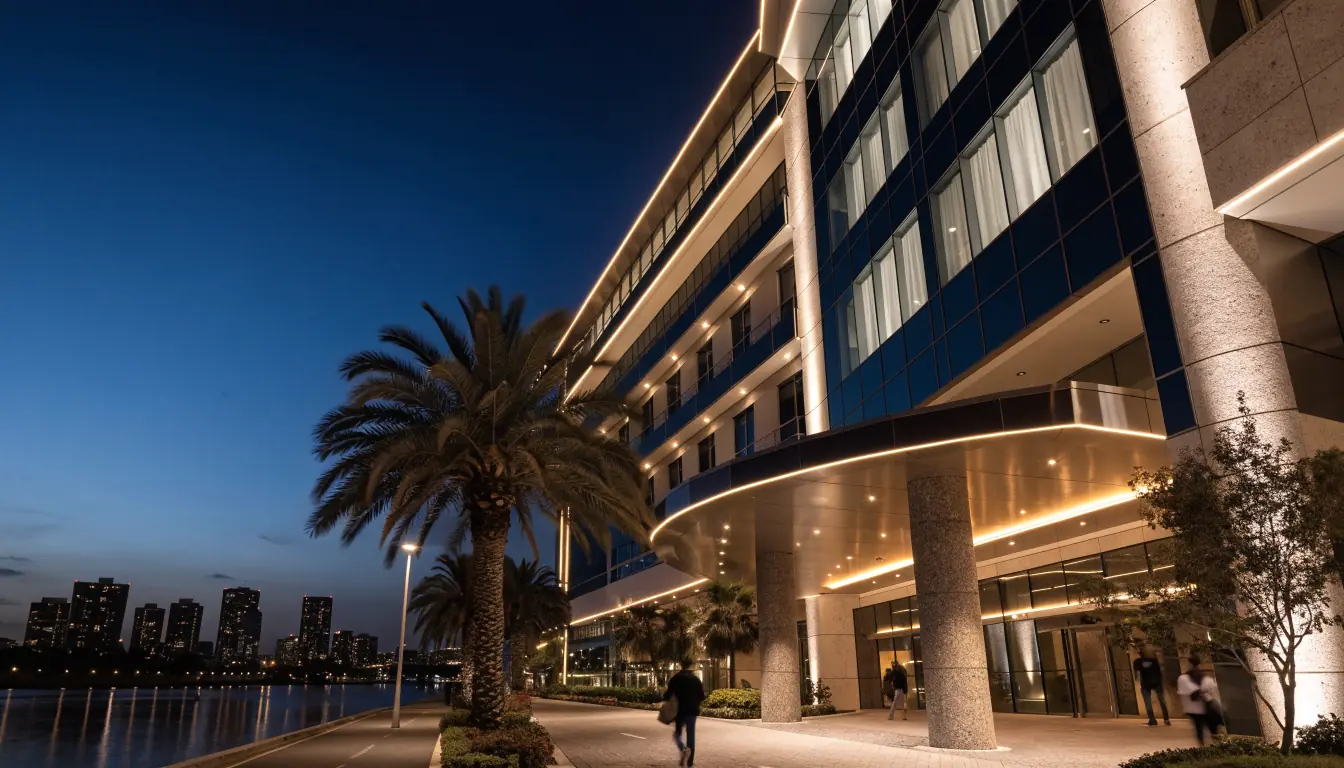
For anyone weighing where to eat over a weekend trip, the practical approach is the same as for any city: check current menus and hours directly with the venue, since kitchens change chefs and offerings more often than casino floors change games.
Food Courts and Pool Areas – What to Expect
Not every meal at a Hobart casino needs a booking or a bar tab. Food courts fill the gap between a quick coffee and a sit-down dinner, offering grab-and-go options for anyone moving between the gaming floor, a poker session, or an event elsewhere in the complex. Expect the usual mix: quick-service counters, a bakery or coffee stand, and simple hot-food options meant to be eaten fast, not lingered over. There’s no dress code, no reservation queue, and pricing sits well below the full-service restaurants covered elsewhere in this guide.
Pool areas, where they exist as part of an attached hotel, serve a different purpose again. They’re not built for entertainment in the way a casino floor or a live event space is — they’re a quiet counterpoint to it. Poolside service tends to be limited to drinks and light snacks rather than a full menu, and access is typically restricted to hotel guests rather than casual visitors.
What separates these from the rest of the venue
- Speed over ceremony – food courts prioritise turnaround, not presentation.
- No table service – order at the counter, seating is shared and unassigned.
- Guest-only pool access – not open to day visitors browsing the gaming floor.
- Casual pricing – noticeably cheaper than the buffet and restaurant tiers.
Neither space is designed to be a destination on its own. They exist to support longer stays on-site without forcing every meal into a formal setting — practical, if unremarkable, additions to the wider casino experience.
What are the best online casinos in Australia for 2026?
There are no domestically licensed real-money online casinos available to Australian players, as offering online casino gambling is prohibited under the Interactive Gambling Act 2001. You can play at offshore-licensed casinos without breaking the law, since the legislation targets operators rather than individuals.
Are crypto casinos legal in Australia in 2026?
Providing online casino games to Australian residents is illegal under the Interactive Gambling Act 2001, regardless of whether they use crypto or fiat currency. However, it is not illegal for you as an individual to play at offshore-licensed crypto casinos, as the law targets operators, not players.
How do I file a complaint against a casino?
Gambling in Australia is regulated at both the federal and state/territory levels, so there is no single overarching authority. For online gambling issues, you can contact the Australian Communications and Media Authority (ACMA), while land-based casino complaints fall under your specific state or territory regulator.
Published by the Casino Jackpots Guide team.